Skip to content
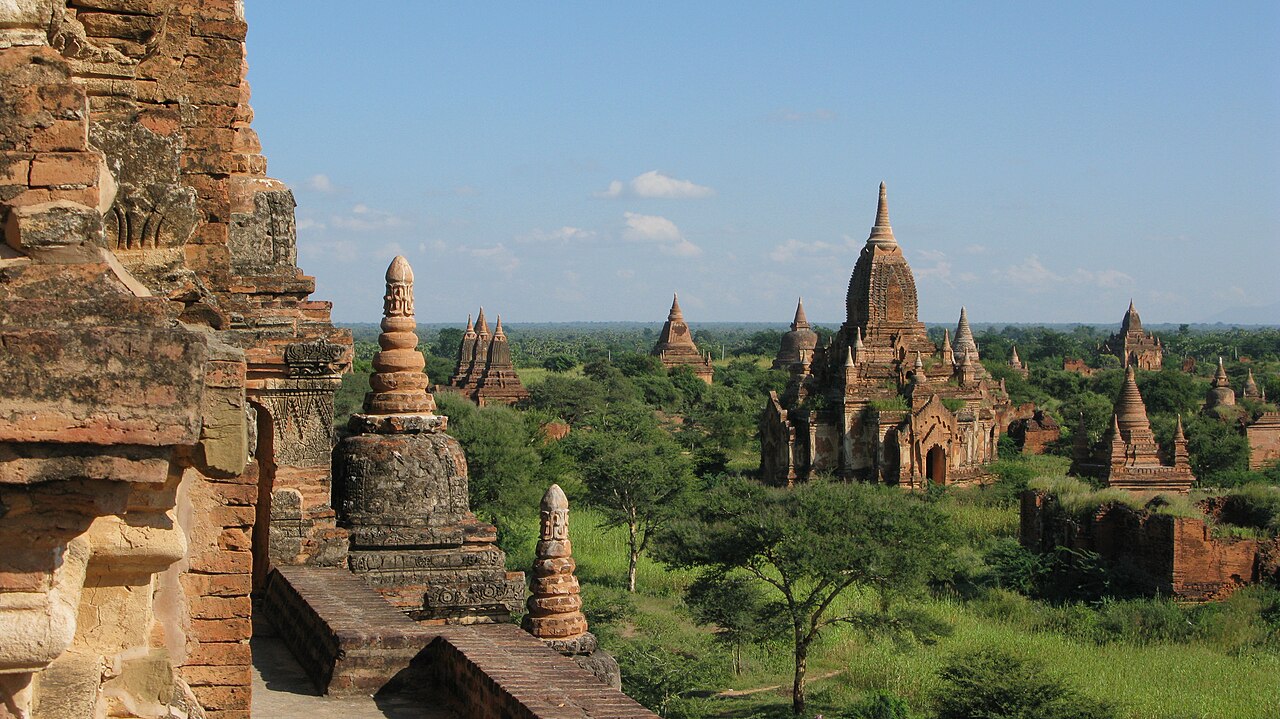
The plain of thousands of ancient brick Buddhist temples and stupas of Bagan stretching to the horizon under a blue sky in Myanmar

Prepare for your trip to Myanmar.

A richly diverse Southeast Asian nation of golden pagodas, the vast temple-plain of Bagan and the great Shwedagon in Yangon — and, since the February 2021 military coup, a country at civil war. Armed resistance and ethnic armed organisations control growing territory, the military rules by force, and governments advise against travel to most of the country. This briefing is here for context and duty-of-care — what entry really means, the security reality, and the grave sensitivities to understand.

Free to explore. No sign-in needed.
Region
Southeast Asia · a nation at civil war
Capital
Naypyidaw (Yangon is the largest city)
Languages
Burmese (official) · Shan, Karen, Kachin, Chin, Rakhine, Mon and many other minority languages · English (in some settings)
Entry
Depends on your passport

Travel advisory · UK Foreign, Commonwealth & Development Office

Myanmar has been in civil war since the February 2021 military coup. The UK FCDO advises against ALL travel to most of the country — Chin, Kachin, Kayah, Kayin, Mon, Rakhine and northern Shan States, Sagaing and Magway Regions, most of Tanintharyi, northern Mandalay Region and parts of Bago — and against all but essential travel to much of the rest. There is armed conflict, airstrikes, shelling, landmines and arbitrary detention; a conscription law can call up men aged 18-35 (a serious risk for male dual nationals); and mobile-device registration, drone restrictions and heavy surveillance apply. The situation is increasingly volatile and can worsen at short notice, and consular support is very limited. This is a foreign-government advisory for a country at war; do not travel without the most careful consideration, and heed the advisories.

Reviewed 31 Oct 2026 · FCDO advice was last updated 4 Aug 2026 and was still current at 31 Oct 2026. Most of the country is advise-against-all-travel amid the civil war; conscription, detention, airstrikes and landmines are live risks, and the situation changes at short notice.

Read the current advice

Do I need a visa for Myanmar?

Entry is provisional: a junta-run tourist e-Visa is offered to ~100 nationalities (single entry, 28 days) via the Ministry of Immigration (evisa.moip.gov.mm), but issuance, eligibility and entry points change at short notice in the civil war — and governments advise against travel to most of Myanmar. A conscription law can call up men aged 18-35, a serious risk for male dual nationals.

Which passport will you use?

Choose your passport country, not your country of residence.

No name, passport number or document upload.

Passport not selected

Your entry context starts here

Choose a passport and this shows your real, sourced entry status for Myanmar — verified, provisional or verification-required — straight from the engine.

What should I verify before I travel?
A provisional entry outcome does NOT mean it is safe or advisable to travel. If travel is ever contemplated, confirm current e-Visa status on evisa.moip.gov.mm and heed your government's advice (the UK advises against all travel to most of the country; the US rates it Do Not Travel). Male dual nationals must weigh the conscription risk before entering. The final decision on admission rests with the authorities.
Why does Trefeo show "verification required"?
Trefeo keeps sourced destination context separate from passport-specific rules that still need confirmation. Selecting a passport should never turn an unverified rule into a verified requirement, so Trefeo holds it at "verification required" until it's confirmed against an authoritative source.

Bagan.
A nation at war.
Your context.

Myanmar's beauty and depth are real, but so is the war: since the 2021 coup most of the country is advised against all travel, conscription and detention are live risks, surveillance is total, and minorities are being targeted. This page foregrounds security and duty of care, not travel. Read the parts that apply.

Staying connected in Myanmar

Do not rely on connectivity. Myanmar is rated among the worst in the world for internet freedom (Not Free): the junta shuts down or throttles the internet in conflict areas, blocks platforms and VPNs, and mandates SIM/device registration. Assume total surveillance — travel with clean devices, carry nothing political or anti-military, and never photograph security forces, checkpoints or protests.

NetworksShut down/throttled in conflict areas; device registration; VPNs blocked — assume offline & monitored
DevicesCan be inspected — carry clean devices; nothing political or Buddha-related
Digital conditions · sourced
Internet freedomhigh

Myanmar is rated 'Not Free' both overall (Freedom in the World 2025, 7/100) and online (Freedom on the Net 2025, 9/100 — one of the worst environments for internet freedom in the world). Since the coup the junta has imposed internet shutdowns, blocked platforms and VPNs, and arrested people for online activity.

Connectivityhigh

Do not rely on connectivity: the internet is shut down or throttled in conflict areas, SIM and mobile-device registration is mandatory, and service is unreliable. Plan for being offline and unreachable in much of the country.

Surveillance & deviceshigh

Assume total surveillance. Devices and their contents can be inspected; carry clean devices, remove anything political or anti-military, and never carry material that could be read as supporting resistance groups or insulting the military or Buddhism.

Personal VPNshigh

VPNs are blocked and targeted, and using one to evade controls can draw dangerous attention. Do not rely on circumvention tools.

Photographyhigh

Never photograph military, police, checkpoints, protests or government/strategic sites, and avoid drones (restricted). Sensitive photography is extremely dangerous in a conflict and surveillance state.

Online speechhigh

Keep all commentary on the military, the conflict, politics and religion off your accounts; people have been detained for online posts.

Digital conditions from Freedom House · reviewed 31 Oct 2026. Per-item sources shown by severity (Freedom House, UK FCDO, editorial).
Mission context

Myanmar is one of Asia's most ethnically and religiously diverse countries. The Bamar (Burmese) Buddhist majority is largely unreached, but there is a substantial Christian presence among several ethnic minorities — the Chin, Kachin and Karen in particular — and evangelical believers are around 4.8% overall. The overriding reality, however, is the civil war: Christian and Muslim minorities have been targeted, churches bombed and villages destroyed, and engagement is governed first by security and the safety of a vulnerable, traumatised population.

People groups~140-150 · many unreached
Evangelical~4.8% (Joshua Project estimate)
Primary languageBurmese
Progress levelDiverse; Bamar unreached; minorities at risk
Explore mission-focused context
Joshua Project records roughly 140-150 people groups in Myanmar — one of the highest counts in the region — with many unreached. It estimates around 4.8% evangelical and a notable Christian minority (~8%), concentrated among the Chin (largely Christian), Kachin and Karen peoples; the Bamar (Burmese) Buddhist majority (~57%) is unreached. Christian-majority ethnic areas have been heavily affected by the conflict.
Joshua Project

People-group figures are Joshua Project estimates, used with attribution, and are uncertain amid war and displacement. Complements — does not replace — dedicated research platforms. The overriding reality is the civil war and the targeting of minorities; security and the safety of vulnerable people come first. · reviewed 31 Oct 2026.

Local customs and etiquette in Myanmar

Everything in Myanmar is governed by the war, the military and the safety of a vulnerable, targeted population. There are grave sensitivities — the military, Buddhism, the persecuted minorities — and real duty-of-care essentials. Read these carefully.

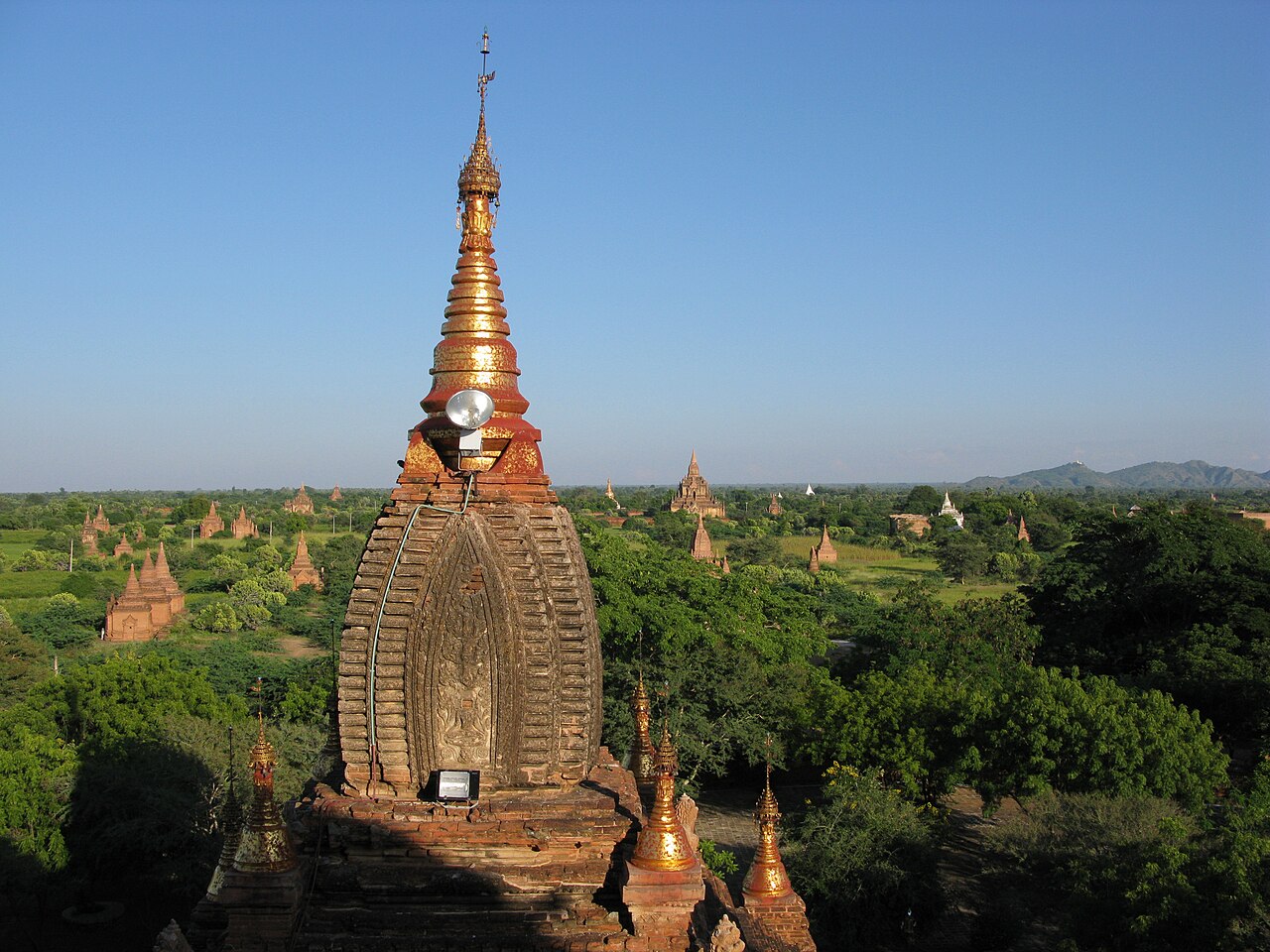
A gilded Buddhist temple spire rising above the brick-temple-dotted plain of Bagan, Myanmar, under a clear blue sky
Bagan · a gilded spire over the temple plain
A country at war — not an ordinary destination
Myanmar has been in civil war since the February 2021 military coup. The junta rules by force, armed resistance and ethnic armed organisations control growing territory, and there are airstrikes, shelling, landmines and arbitrary detention. Governments advise against all travel to most of the country and against all but essential travel to much of the rest, and consular support is very limited. A conscription law can call up men aged 18-35 — a serious risk for male dual nationals, who may be unable to leave. This page exists for context and duty-of-care awareness, not to encourage travel.Source: UK Foreign, Commonwealth & Development Office
The military, Buddhism and devices
If anyone does go, the non-negotiables are serious. The junta tolerates no dissent and surveillance is pervasive: never criticise the military, photograph security forces, checkpoints or protests, or carry/post political material, and assume your devices and conversations are monitored (travel with clean devices). Buddhism is fiercely protected: perceived insults — including Buddha tattoos or disrespectful use of Buddha imagery — have led to the arrest and deportation of foreigners, so treat it with the utmost care (dress modestly, remove shoes at pagodas, never point feet at Buddha images). Breaching these has real consequences.Source: Freedom House
The persecuted minorities and the safety of locals
Myanmar's ethnic and religious minorities have borne the worst of the violence: the Rohingya Muslims subjected to genocidal attacks and mass displacement, and Christian Chin, Kachin and Karen communities bombed and driven from their homes. The single most important principle is that the safety of vulnerable local people comes before anything else — never do anything that could expose a minority person, a church, or a local contact to risk, whether in person or online. Engage with Myanmar through prayer and through those with deep, careful expertise.Source: U.S. Department of State

The civil-war, conscription and surveillance notes draw on UK FCDO travel advice for Myanmar (Burma). Contains public sector information licensed under the Open Government Licence v3.0.

Reviewed 31 Oct 2026. Cross-cultural guidance authored by the mission-readiness team, awaiting review by local partners. In a civil war and surveillance state, security, the law and the safety of vulnerable people take priority over cultural nuance; broad tendencies vary by individual and setting.

Your readiness plan

Once you've built a plan, this becomes your personal, checkable preparation for Myanmar — the same engine behind every Trefeo briefing, honest about what still needs verifying.

Personal readiness · free

Build your free plan to see what this trip asks of you.

Add your passport and the devices you'll carry — no sign-in needed — and this turns into a personal, checkable readiness plan for Myanmar: entry, accounts, devices, connectivity, culture and emergency, starting at 0% until you work through it.

Sources & licences

Every fact on this page is traceable. Each section above links its own source and review date; the full list is below.

  • Freedom House viewDigital-rights research

    Myanmar: Freedom on the Net 2025 · © Freedom House; noncommercial use with citation, commercial by permission

  • Joshua Project viewMission research

    Myanmar (Burma) — people groups, languages and religions · Free to use with attribution; NON-COMMERCIAL

  • Travel Readiness EngineTrefeo editorial

    Editorial guidance (mission-readiness team)

  • U.S. Department of State viewOfficial government

    2023 Report on International Religious Freedom: Burma · Public domain (U.S. Government work, 17 U.S.C. §105)

  • UK Foreign, Commonwealth & Development Office viewGovernment travel advisory

    Foreign travel advice: Myanmar (Burma) · Open Government Licence v3.0