Skip to content
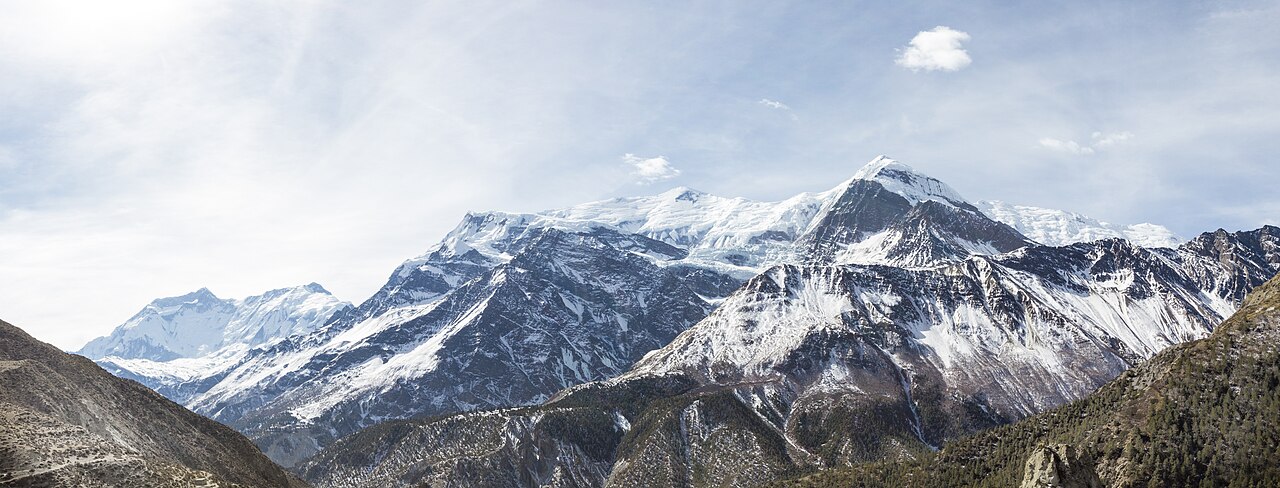
A wide panorama of the snow-covered Annapurna range in the Nepal Himalaya, deep valleys and forested ridges falling away beneath the high peaks

Prepare for your trip to Nepal.

A Himalayan republic between India and China — from the subtropical Terai plains to eight of the world's fourteen highest peaks, with the temple-filled Kathmandu Valley at its heart. Famously welcoming and deeply Hindu and Buddhist, it is also a land of real natural-hazard and trekking risks, and it is finding its feet after the upheaval of 2025. Your briefing covers what changes the trip: entry by passport, trekking and altitude, staying connected, and local custom.

Free to explore. No sign-in needed.
Region
South Asia · the Himalaya
Capital
Kathmandu
Languages
Nepali (official) · Maithili, Bhojpuri, Tharu, Tamang, Newar and many others
Entry
Depends on your passport

Travel advisory · UK Foreign, Commonwealth & Development Office

The UK FCDO does not advise against travel to Nepal, but flags monsoon flooding and landslides (notably in 2026 in Rasuwa and neighbouring districts), altitude and trekking risks, and a poor domestic-aviation safety record (Nepal-certified carriers are on the UK Air Safety List). Nepal also went through significant political protest and change in 2025, so follow local advice around any demonstrations. This is a foreign-government advisory; check the latest advice before travel.

Reviewed 26 Oct 2026 · FCDO advice was last updated 1 Oct 2026 and was still current at 26 Oct 2026. There is no advise-against-travel warning, but natural-hazard, trekking and aviation risks are real and conditions can change — verify before travel.

Read the current advice

Do I need a visa for Nepal?

Entry is straightforward for almost everyone: a tourist visa is issued on arrival at Kathmandu's airport (15, 30 or 90 days for US$30, 50 or 125) — just fill the online form and arrival card first and pay at the airport. A small number of nationalities must instead get a visa in advance from a Nepali mission, and Indian nationals travel visa-free under a bilateral arrangement. Choose the passport you'll travel with and this section adjusts to you.

Which passport will you use?

Choose your passport country, not your country of residence.

No name, passport number or document upload.

Passport not selected

Your entry context starts here

Choose a passport and this shows your real, sourced entry status for Nepal — verified, provisional or verification-required — straight from the engine.

What should I verify before I travel?
Confirm the current requirements and your nationality's eligibility with Nepal's Department of Immigration (immigration.gov.np) before travel, and check your own foreign ministry. Carry a passport valid at least six months, complete the online tourist-visa form before you fly, and keep proof. For treks, arrange the right permits and a licensed guide. The final decision on admission rests with the authorities.
Why does Trefeo show "verification required"?
Trefeo keeps sourced destination context separate from passport-specific rules that still need confirmation. Selecting a passport should never turn an unverified rule into a verified requirement, so Trefeo holds it at "verification required" until it's confirmed against an authoritative source.

The high peaks.
A sacred valley.
Your context.

Nepal is rewarding and relatively easy to travel — a tourist visa on arrival for almost everyone, and some of the planet's greatest mountains — but altitude, monsoon and domestic flights carry real risk, and temples and religious law ask for care. What matters depends on where you're going and why, so this is built to skim, not to read end to end.

Staying connected in Nepal

Two operators cover the cities and valleys — Nepal Telecom and Ncell — and a travel eSIM or local SIM is easy to arrange; Nepal is one of the more open internet environments in the region (rated Partly Free). On the trails, though, signal and power thin out fast, so many trekkers carry a satellite messenger and plan offline fallbacks.

Mobile networksNepal Telecom · Ncell
Getting onlineTravel eSIM or local SIM; patchy to none on high treks — plan offline fallbacks
Digital conditions · sourced
Internet freedommoderate

Nepal is rated 'Partly Free' (62/100) in Freedom in the World 2025 — among the more open environments in the region, though the picture is contested after the 2025 protests.

Online speechmoderate

Speech is relatively free but cybercrime and defamation laws have been used against online content; social-media regulation has tightened. Keep commentary measured and assume posts can be scrutinised.

Connectivitylow

Two main operators (Nepal Telecom and Ncell) cover the cities and valleys; a travel eSIM or local SIM is easy. Coverage and power thin out sharply on high trekking routes.

Mountain connectivitymoderate

On treks, expect patchy or no signal for long stretches; many trekkers carry a satellite messenger. Plan offline maps and communication fallbacks.

Personal VPNslow

VPNs are generally usable; prefer an organization-approved provider configured before arrival and verify current rules.

Public Wi-Fimoderate

Treat hotel, teahouse and cafe networks as untrusted; avoid sensitive sign-ins without a VPN.

Digital conditions from Freedom House · reviewed 26 Oct 2026. Per-item sources shown by severity (Freedom House, UK FCDO, editorial).
Mission context

Nepali society is predominantly Hindu, with Buddhism woven through it and smaller Muslim, Kirat and Christian communities. Nepal is constitutionally secular, but religious conversion and acts intended to convert others are criminal offences — so engagement is relational, discreet and strictly within the law, protecting local people above all.

People groups194 total · 183 unreached
Christian adherent~1.4% (Joshua Project estimate)
Primary languageNepali (+ many others)
Progress levelLevel 1–2 — largely unreached
Explore mission-focused context
Joshua Project lists 194 people groups in Nepal, of which 183 (about 94%) are considered unreached, with roughly 26 million people living in unreached groups. It estimates Christian adherents at about 1.4% of the population; the evangelical figure is listed as unknown. Progress is low across most groups.
Joshua Project

People-group figures are Joshua Project estimates, used with attribution. Complements — does not replace — dedicated research platforms. Conversion is criminalised in Nepal; discretion protects local people. · reviewed 26 Oct 2026.

Local customs and etiquette in Nepal

Nepal is deeply Hindu and Buddhist, and temple and everyday etiquette matter — shoes and leather off, right hand for giving and eating, and no proselytising (conversion is a criminal offence). Read the notes that fit where you're actually going.

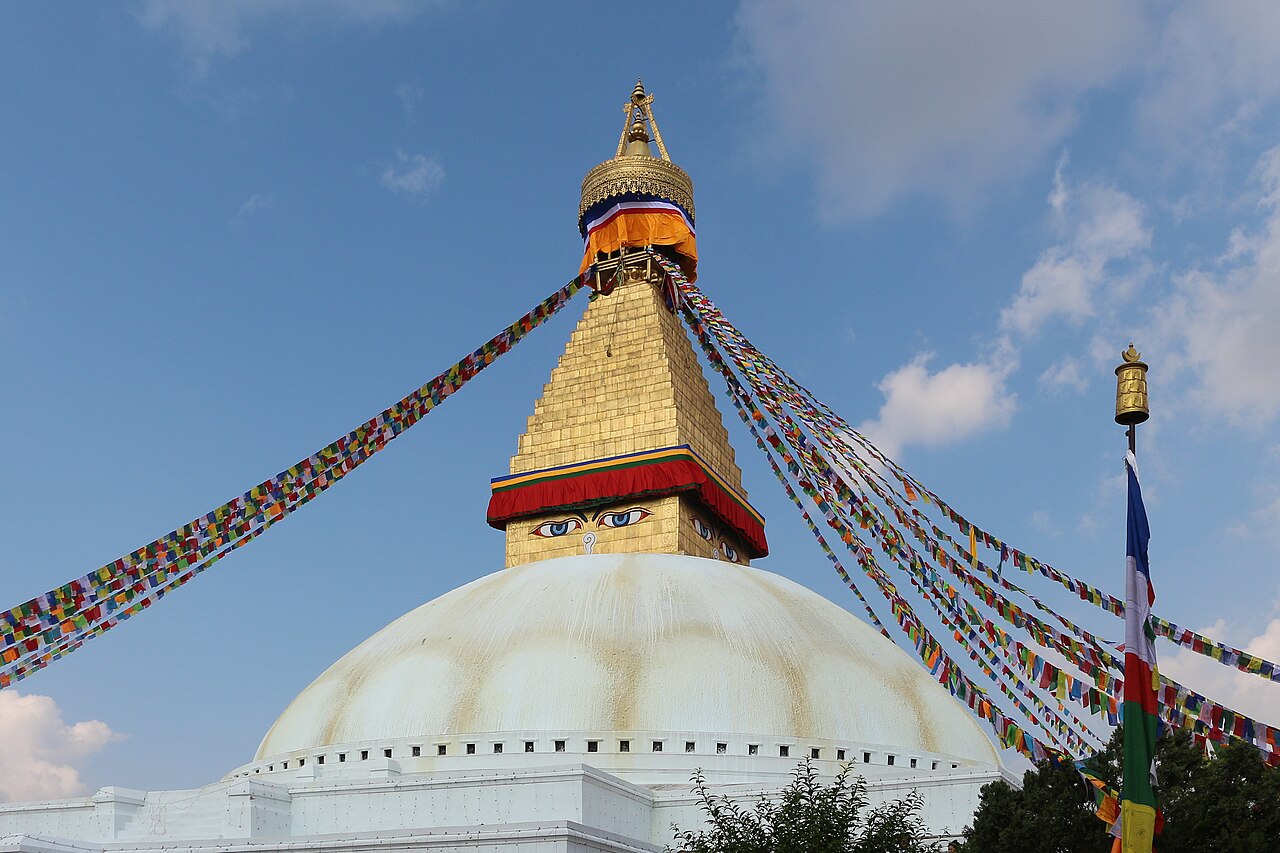
The great white dome and gold spire of Boudhanath stupa in Kathmandu, the painted Buddha eyes gazing out and colourful prayer flags radiating from the top
Kathmandu · the Boudhanath stupa and its prayer flags
A Hindu–Buddhist society
Hinduism and Buddhism are woven together across Nepal — the same festivals, shrines and deities are often shared, and temples and stupas are central to daily life. Show respect everywhere: remove shoes and leather items before entering temples, walk clockwise around stupas and shrines, dress modestly, and follow any 'no photography' signs. Some inner sanctums (for example at Pashupatinath) are open only to Hindus. When in doubt, watch what locals do and ask.Source: Travel Readiness Engine
A secular state that criminalises conversion
Nepal is constitutionally secular and protects religious practice, but the law makes religious conversion and acts intended to convert others criminal offences. Keep personal faith private, never proselytise or distribute religious materials, and be careful that ordinary hospitality or charity is not perceived as inducement — the risk falls hardest on local people. Take anything sensitive from trusted local partners.Source: U.S. Department of State
Everyday etiquette
Use your right hand (or both) to give and receive, and to eat; the left hand is considered unclean. Feet are impure — don't point them at people, shrines or food, and don't step over someone or over food. The head is sacred, so don't touch anyone's head, including children's. Greet with 'namaste' and joined palms rather than a handshake, especially with elders and women, and ask before photographing people or ceremonies.Source: Travel Readiness Engine
Trekking, altitude and the mountains
Most mountain national-park routes require a licensed guide and the relevant permits (TIMS and park entry), and solo trekking is restricted in several areas. Altitude sickness is a real risk on all high routes — ascend gradually, know the symptoms, and carry good insurance that covers helicopter rescue and high-altitude trekking. Weather, landslides and the monsoon (roughly June–September) can close trails and roads, and domestic mountain flights carry added risk. Plan conservatively and take local guidance seriously.Source: UK Foreign, Commonwealth & Development Office

The conversion-law note and the trekking, altitude and aviation guidance draw on UK FCDO travel advice and the US State Department religious-freedom report for Nepal. Contains public sector information licensed under the Open Government Licence v3.0.

Reviewed 26 Oct 2026. Cross-cultural guidance authored by the mission-readiness team, awaiting review by local partners. Broad contextual tendencies that vary by individual and setting — not rules about how any person will behave.

Your readiness plan

Once you've built a plan, this becomes your personal, checkable preparation for Nepal — the same engine behind every Trefeo briefing, honest about what still needs verifying.

Personal readiness · free

Build your free plan to see what this trip asks of you.

Add your passport and the devices you'll carry — no sign-in needed — and this turns into a personal, checkable readiness plan for Nepal: entry, accounts, devices, connectivity, culture and emergency, starting at 0% until you work through it.

Sources & licences

Every fact on this page is traceable. Each section above links its own source and review date; the full list is below.

  • Freedom House viewDigital-rights research

    Nepal: Freedom in the World 2025 · © Freedom House; noncommercial use with citation, commercial by permission

  • Joshua Project viewMission research

    Nepal — people groups, languages and religions · Free to use with attribution; NON-COMMERCIAL

  • Travel Readiness EngineTrefeo editorial

    Editorial guidance (mission-readiness team)

  • U.S. Department of State viewOfficial government

    2023 Report on International Religious Freedom: Nepal · Public domain (U.S. Government work, 17 U.S.C. §105)

  • UK Foreign, Commonwealth & Development Office viewGovernment travel advisory

    Foreign travel advice: Nepal · Open Government Licence v3.0