Skip to content
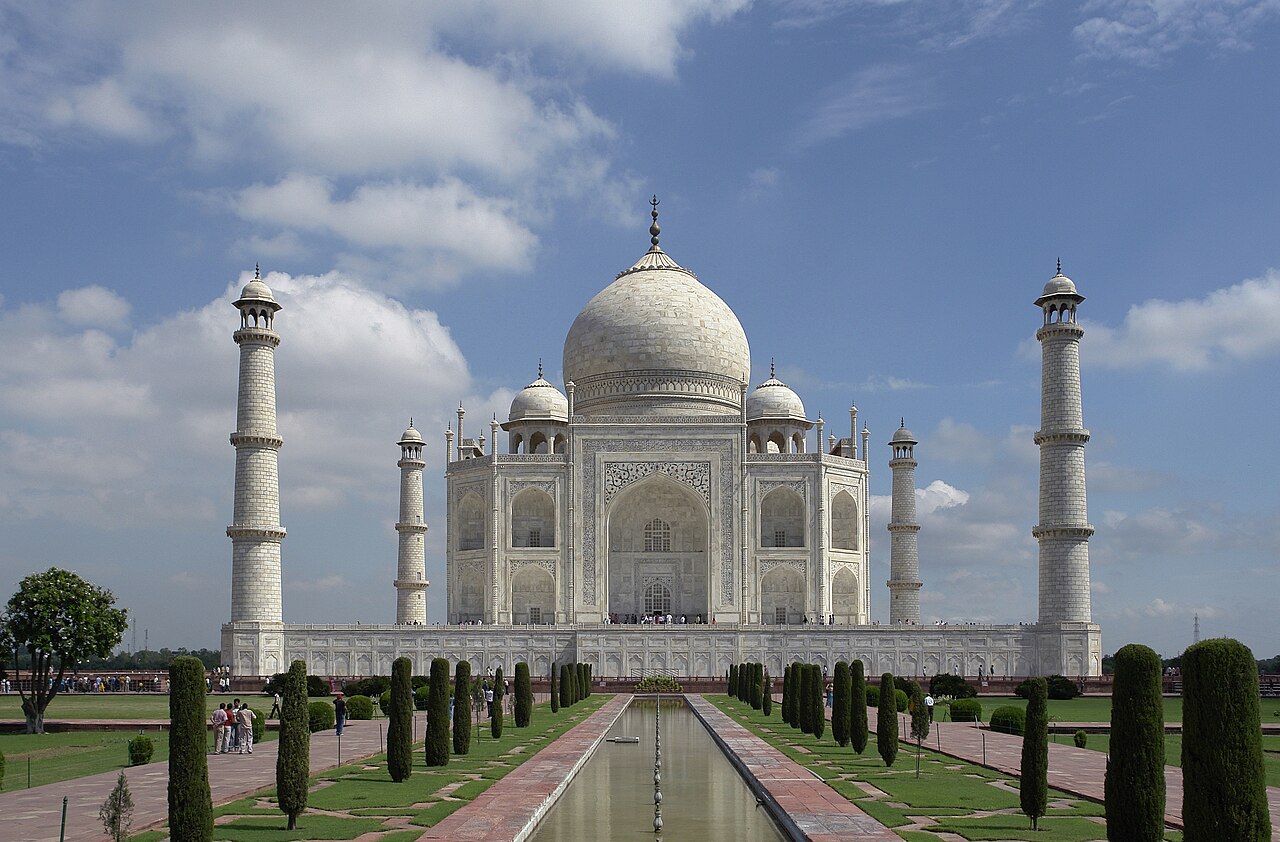
The white marble dome and minarets of the Taj Mahal in Agra reflected in the long watercourse of its garden, under a clear sky

Prepare for your trip to India.

A vast, diverse subcontinent and the world's most populous country — the Himalaya to tropical coasts, ancient temples to glass-tower megacities, and every major religion living side by side. Mostly welcoming and endlessly rewarding to travel, it is also hugely varied in safety, climate and custom from one state to the next, with a few areas governments advise against. Your briefing covers what changes the trip: entry by passport, staying connected, and local custom.

Free to explore. No sign-in needed.
Region
South Asia · the subcontinent
Capital
New Delhi
Languages
Hindi and English (official for the Union government) · 22 scheduled languages (Bengali, Telugu, Marathi, Tamil, Urdu and more) and hundreds of others
Entry
Depends on your passport

Travel advisory · UK Foreign, Commonwealth & Development Office

The UK FCDO does not have a country-wide advisory for India, but advises against travel to Jammu & Kashmir, to within 10km of the India-Pakistan border, and against all but essential travel to Manipur. Elsewhere it advises care: road safety is poor, women travellers should take extra precautions, scams and petty crime occur, and the monsoon (roughly June–September) brings flooding. This is a foreign-government advisory; check the latest area-specific advice before travel.

Reviewed 26 Oct 2026 · FCDO advice was last updated 7 Oct 2026 and was still current at 26 Oct 2026. Advisories are area-specific; conditions and women's-safety considerations vary widely by region — verify before travel.

Read the current advice

Do I need a visa for India?

For most nationalities entry is a straightforward e-Visa: apply online at the official portal, pay, and print the authorization to show on arrival. Nepal, Bhutan and the Maldives are visa-free, and a few nationalities (like China and Pakistan) need a regular visa from an Indian mission. One warning: use only the official government site — lookalike sites overcharge. Choose the passport you'll travel with and this section adjusts to you.

Which passport will you use?

Choose your passport country, not your country of residence.

No name, passport number or document upload.

Passport not selected

Your entry context starts here

Choose a passport and this shows your real, sourced entry status for India — verified, provisional or verification-required — straight from the engine.

What should I verify before I travel?
Apply for your e-Visa and confirm your nationality's route only at India's official portal (indianvisaonline.gov.in) — never a lookalike — and check your own foreign ministry. Carry a passport valid at least six months with two blank pages and your printed ETA. Note the area advisories (Jammu & Kashmir, the Pakistan border, Manipur). The final decision on admission rests with the authorities.
Why does Trefeo show "verification required"?
Trefeo keeps sourced destination context separate from passport-specific rules that still need confirmation. Selecting a passport should never turn an unverified rule into a verified requirement, so Trefeo holds it at "verification required" until it's confirmed against an authoritative source.

The subcontinent.
A plural society.
Your context.

India rewards travellers like nowhere else, but there is no single 'India' — language, religion, food, climate and even safety shift completely from state to state. Entry is mostly a simple e-Visa, but respect for religion and attention to region and women's safety matter. This is built to skim, not to read end to end.

Staying connected in India

Connectivity is excellent and cheap — operators like Jio, Airtel and Vi give wide, fast coverage, and a travel eSIM or a local SIM (which needs ID to register) is easy. The catch: India imposes among the most regional internet shutdowns in the world, usually tied to unrest or security, so an affected area can lose connectivity entirely — plan offline fallbacks.

Mobile networksJio · Airtel · Vi
Getting onlineCheap eSIM/local SIM; regional internet shutdowns happen — plan offline fallbacks
Digital conditions · sourced
Internet freedommoderate

India is rated 'Partly Free' (63/100) in Freedom in the World 2025. Connectivity and mobile data are excellent and cheap, but the online environment is tightly regulated.

Internet shutdownshigh

India imposes among the most internet shutdowns in the world, usually regional and tied to unrest, exams or security operations — connectivity can vanish in an affected area. Plan offline fallbacks.

Online speechmoderate

IT rules, content-takedown orders and defamation/sedition-type laws apply; posts on religion, politics or security can draw action. Keep commentary measured.

Connectivitylow

Operators (Jio, Airtel, Vi) give excellent, inexpensive coverage; a travel eSIM or local SIM is easy (local SIMs need ID/registration). Coverage thins in remote hills.

Personal VPNslow

VPNs are usable but Indian rules require some providers to log data; prefer an organization-approved provider configured before arrival.

Photography and sensitive sitesmoderate

Avoid photographing military and security sites, airports, and some border and government areas; ask before photographing people and inside temples.

Digital conditions from Freedom House · reviewed 26 Oct 2026. Per-item sources shown by severity (Freedom House, UK FCDO, editorial).
Mission context

India is the most religiously diverse large country on earth and home to the largest number of unreached people groups in the world. It is constitutionally secular, but several states criminalise religious conversion, and communal sensitivities run deep — so engagement is relational, deeply discreet, strictly lawful, and protective of local people above all.

People groups2,263 total · 2,033 unreached
Christian adherent~2.0% (Joshua Project estimate)
Primary languagesHindi · English · 22 scheduled
Progress levelLargely unreached — the world's largest frontier
Explore mission-focused context
Joshua Project lists 2,263 people groups in India, of which 2,033 (about 90%) are considered unreached — by far the most of any country. It estimates Christian adherents at about 2.0% of the population; the evangelical figure is listed as unknown. The scale and diversity are immense.
Joshua Project

People-group figures are Joshua Project estimates, used with attribution. Complements — does not replace — dedicated research platforms. Several states criminalise conversion; discretion protects local people. · reviewed 26 Oct 2026.

Local customs and etiquette in India

India is intensely religious and plural, and custom varies enormously by region — remove shoes at temples, use the right hand, dress modestly, and never proselytise (several states criminalise conversion). Read the notes that fit where you're actually going.

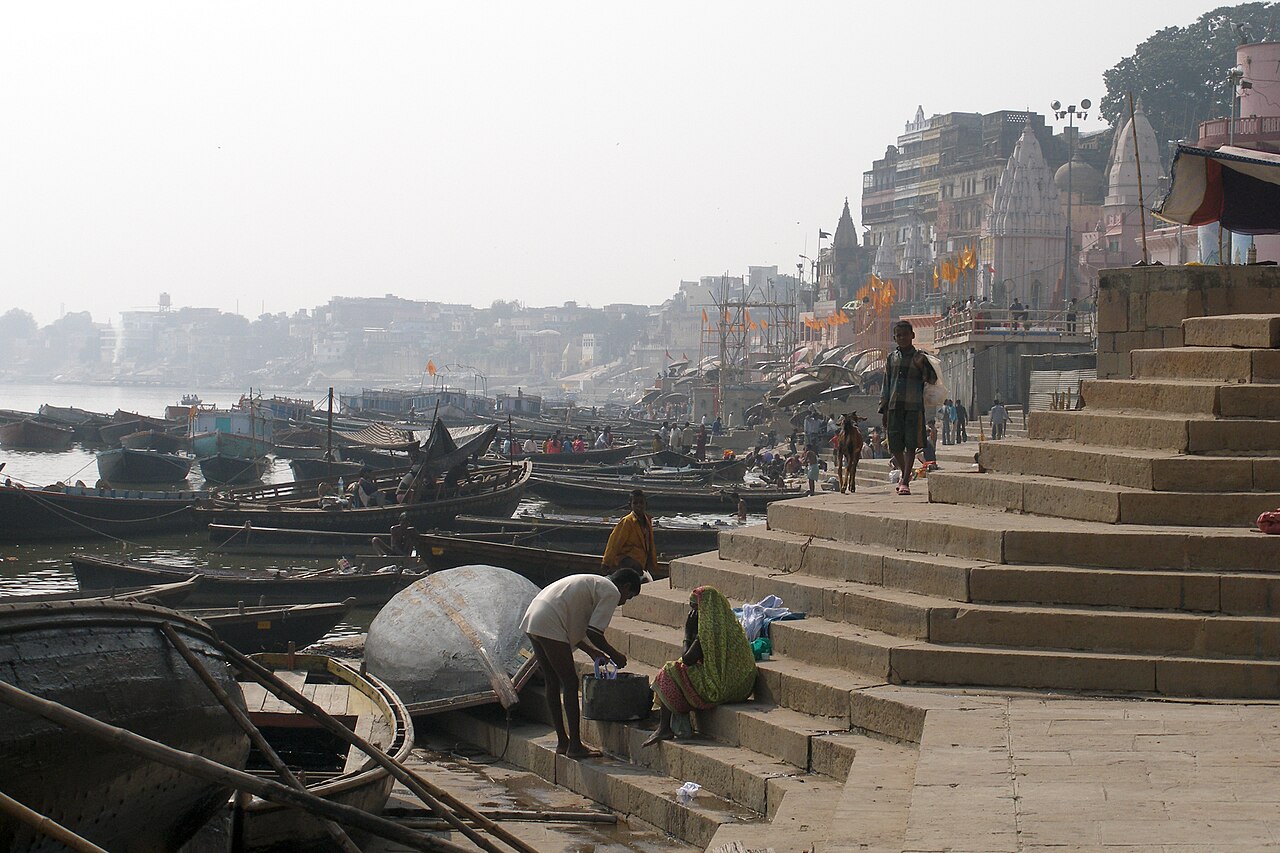
The stone ghats of Varanasi stepping down to the Ganges at dawn, pilgrims and boats along the river beneath a line of riverside temples and buildings
Varanasi · the ghats of the Ganges at dawn
Not one India — plan for the region
India's diversity is the single most important thing to grasp: language, religion, food, dress, climate and even safety vary enormously from state to state. What's normal in cosmopolitan Mumbai or Bengaluru differs from rural Rajasthan, Kerala or the northeast, and official advisories single out specific areas (Jammu & Kashmir, within 10km of the Pakistan border, Manipur). Research the specific places on your route, and take custom and security guidance from trusted local partners there.Source: UK Foreign, Commonwealth & Development Office
Religion, respect and the conversion laws
India is intensely religious and plural — Hindu temples, mosques, gurdwaras, churches and more are woven into daily life. Remove your shoes (and sometimes cover your head) at religious sites, dress modestly, and follow photography rules. Communal sensitivities are real, and several states have anti-conversion laws that criminalise acts intended to convert others, so never proselytise or distribute religious materials — the risk falls hardest on local people. Keep personal faith private and take anything sensitive from trusted local partners.Source: U.S. Department of State
Everyday etiquette
Use your right hand (or both) to give, receive and eat; the left hand is considered unclean. Feet are impure — don't point them at people, shrines or food, and don't step over people — and the head is respected, so don't touch anyone's head. Remove shoes when entering homes and many shops and temples. Greet with 'namaste' and joined palms, ask before photographing people, and bargain politely in markets where it's expected.Source: Travel Readiness Engine
Safety, health and getting around
Most visits are trouble-free, but take sensible precautions: road traffic is chaotic and accidents are a leading risk, so use reputable drivers; women travellers should take extra care, especially alone or at night. Tap water isn't safe to drink, 'Delhi belly' is common, and air quality in big northern cities can be very poor in winter — plan food, water and medication accordingly, and get good insurance. Carry some cash alongside cards and UPI apps.Source: UK Foreign, Commonwealth & Development Office

The regional-advisory, conversion-law and safety/health notes draw on UK FCDO travel advice and the US State Department religious-freedom report for India. Contains public sector information licensed under the Open Government Licence v3.0.

Reviewed 26 Oct 2026. Cross-cultural guidance authored by the mission-readiness team, awaiting review by local partners. Broad contextual tendencies that vary by individual, region and setting — not rules about how any person will behave.

Your readiness plan

Once you've built a plan, this becomes your personal, checkable preparation for India — the same engine behind every Trefeo briefing, honest about what still needs verifying.

Personal readiness · free

Build your free plan to see what this trip asks of you.

Add your passport and the devices you'll carry — no sign-in needed — and this turns into a personal, checkable readiness plan for India: entry, accounts, devices, connectivity, culture and emergency, starting at 0% until you work through it.

Sources & licences

Every fact on this page is traceable. Each section above links its own source and review date; the full list is below.

  • Freedom House viewDigital-rights research

    India: Freedom in the World 2025 · © Freedom House; noncommercial use with citation, commercial by permission

  • Joshua Project viewMission research

    India — people groups, languages and religions · Free to use with attribution; NON-COMMERCIAL

  • Travel Readiness EngineTrefeo editorial

    Editorial guidance (mission-readiness team)

  • U.S. Department of State viewOfficial government

    2023 Report on International Religious Freedom: India · Public domain (U.S. Government work, 17 U.S.C. §105)

  • UK Foreign, Commonwealth & Development Office viewGovernment travel advisory

    Foreign travel advice: India · Open Government Licence v3.0