Skip to content
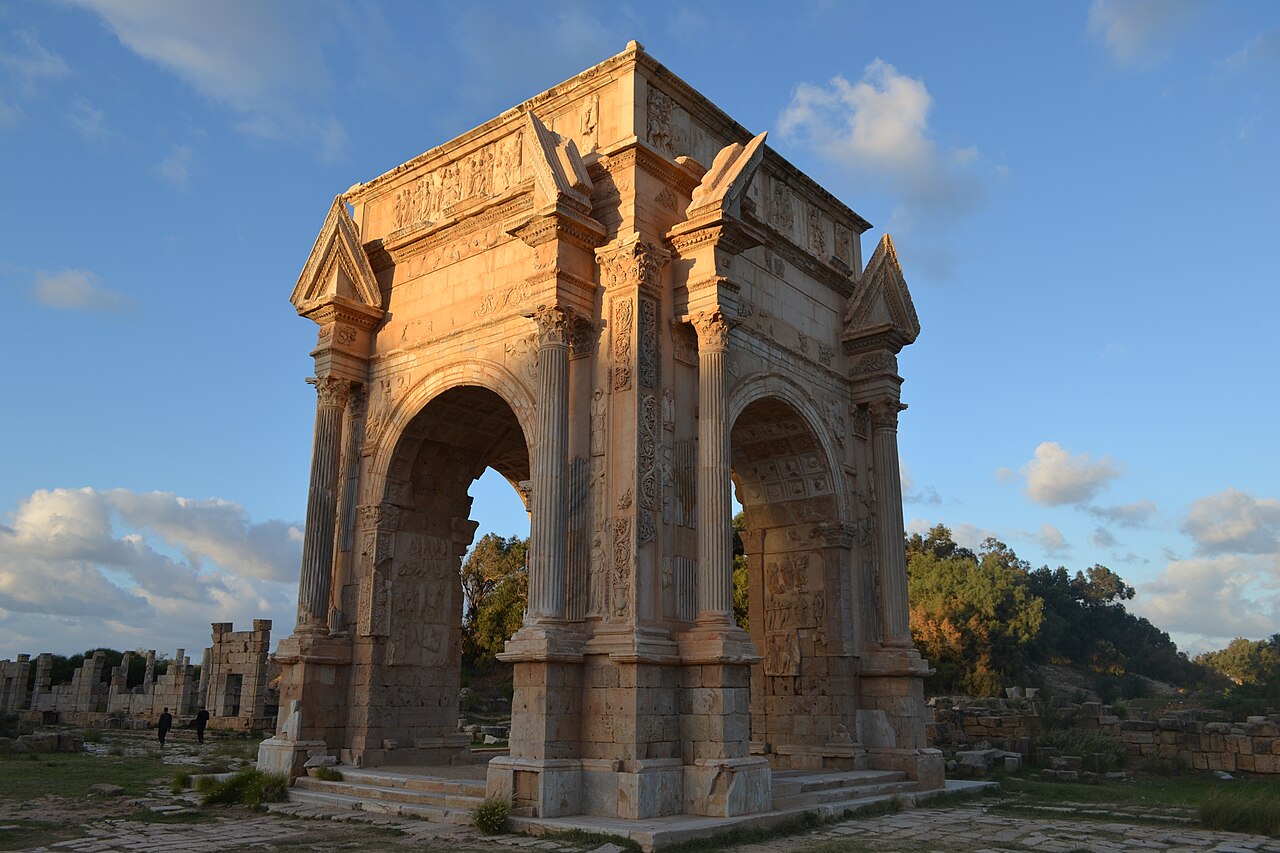
The carved marble triumphal Arch of Septimius Severus at the Roman city of Leptis Magna in Libya, lit golden at sunset among the ruins under a blue sky

Prepare for your trip to Libya.

A large, oil-rich country on the central Mediterranean, from Tripoli and Benghazi across a vast Sahara — and the site of some of the ancient world's finest Roman cities. Since 2011 it has been fractured by conflict between rival administrations and armed groups. It is not a functioning tourism destination: governments advise against all, or all but essential, travel. This briefing is a security-first orientation, not a travel guide.

Free to explore. No sign-in needed.
Region
North Africa · the Mediterranean and the Sahara
Capital
Tripoli
Languages
Arabic (official) · Berber / Tamazight (minorities) · Italian and English (understood in the main cities)
Entry
Depends on your passport

Travel advisory · UK Foreign, Commonwealth & Development Office

The UK FCDO advises against all travel to most of Libya, and against all but essential travel to Tripoli, Misrata, Benghazi, Al-Bayda, Derna and Jebel Akhdar. There is a high threat of kidnapping (including of foreigners), terrorism and sudden armed clashes between rival groups, and UK in-person consular support is not available in Libya (it is handled from Tunis). This is a foreign-government advisory for an active-conflict country; do not travel against it, and check the latest advice.

Reviewed 27 Oct 2026 · FCDO advice was last updated 21 Jul 2026 and was still current at 27 Oct 2026. Libya is an advise-against-travel country throughout; conditions are volatile and can change without warning.

Read the current advice

Do I need a visa for Libya?

This is not a normal entry picture. A visa is required in advance for essentially all nationalities, but Libya is an active-conflict country and governments advise against all (or all but essential) travel — entry is not realistically available as it would be for a functioning destination, and any visa process is severely disrupted. Treat 'entry' as a security decision, not a booking.

Which passport will you use?

Choose your passport country, not your country of residence.

No name, passport number or document upload.

Passport not selected

Your entry context starts here

Choose a passport and this shows your real, sourced entry status for Libya — verified, provisional or verification-required — straight from the engine.

What should I verify before I travel?
Do not travel against your government's advice. If presence is genuinely essential, verify any visa pathway with a Libyan mission and your own foreign ministry, and plan with professional security advisers — robust contingency and evacuation plans, vetted local partners, and a very low profile. Consular help is extremely limited (the UK handles Libya from Tunis).
Why does Trefeo show "verification required"?
Trefeo keeps sourced destination context separate from passport-specific rules that still need confirmation. Selecting a passport should never turn an unverified rule into a verified requirement, so Trefeo holds it at "verification required" until it's confirmed against an authoritative source.

An active conflict.
A fractured state.
Your context.

Libya is an advise-against-travel country with a high threat of kidnapping and sudden violence, rival authorities, and very limited consular help. Entry is not realistically available as normal. What matters here is the security picture and the advisory — so this is built to inform a careful decision, read alongside your government's advice and professional security counsel.

Staying connected in Libya

Do not rely on connectivity. Mobile and internet service is intermittent and can be cut during fighting, and the environment is monitored by multiple actors. Libya is rated Not Free; media freedom is almost nonexistent. Carry offline maps and backup communications, keep all commentary off politics, armed groups and religion, and treat every network as hostile.

Mobile networksLibyana · Al-Madar (intermittent; can be cut during fighting)
Getting onlineUnreliable and monitored — carry offline maps and backup comms; assume surveillance
Digital conditions · sourced
Internet freedomhigh

Libya is rated 'Not Free' (10/100) in Freedom in the World 2025. Connectivity is unreliable and politically controlled, and infrastructure has been damaged by conflict.

Online speechhigh

Media freedom is almost nonexistent and armed groups punish dissent. Assume monitoring by multiple actors; keep commentary off politics, armed groups and religion entirely.

Connectivityhigh

Mobile and internet service is intermittent and can be cut during fighting. Do not rely on connectivity; carry offline maps and backup communications, and coordinate through experienced local security.

Personal VPNsmoderate

If you are present, use an organization-approved VPN configured before arrival and be extremely discreet; digital activity can draw dangerous attention.

Public Wi-Fihigh

Treat all networks as hostile and monitored; avoid any sensitive activity.

Photography and privacyhigh

Photographing military, security, government or infrastructure sites is extremely dangerous and can be treated as espionage. Avoid photography of anything sensitive entirely.

Digital conditions from Freedom House · reviewed 27 Oct 2026. Per-item sources shown by severity (Freedom House, UK FCDO, editorial).
Mission context

Libya is overwhelmingly Sunni Muslim, with Islam the state religion. There is no significant indigenous Christian community; the small Christian presence is largely foreign workers, and their position — like any non-Muslim religious activity — is highly insecure amid the conflict and the strength of armed groups. Any engagement is constrained first and foremost by the security situation.

People groups45 total · 34 unreached · 27 frontier
Evangelical~0.2% (Joshua Project estimate)
Primary languageArabic
Progress levelLevel 1 — unreached
Explore mission-focused context
Joshua Project lists 45 people groups in Libya, 34 of them unreached (about 76%) and 27 considered frontier (least-reached). It estimates roughly 0.2% evangelical and about 2.4% Christian adherents overall (largely foreign residents). The largest group is the Libyan Arab, estimated near 1.6 million, alongside Berber (Amazigh) and sub-Saharan communities.
Joshua Project

People-group figures are Joshua Project estimates, used with attribution. Complements — does not replace — dedicated research platforms. The overriding reality is the conflict and the insecurity of any non-Muslim religious activity. · reviewed 27 Oct 2026.

Local customs and etiquette in Libya

In Libya, security governs everything. Beneath the conflict is a hospitable, conservative Muslim society and an extraordinary heritage, but none of it is safely accessible now. Read these notes as security-first orientation.

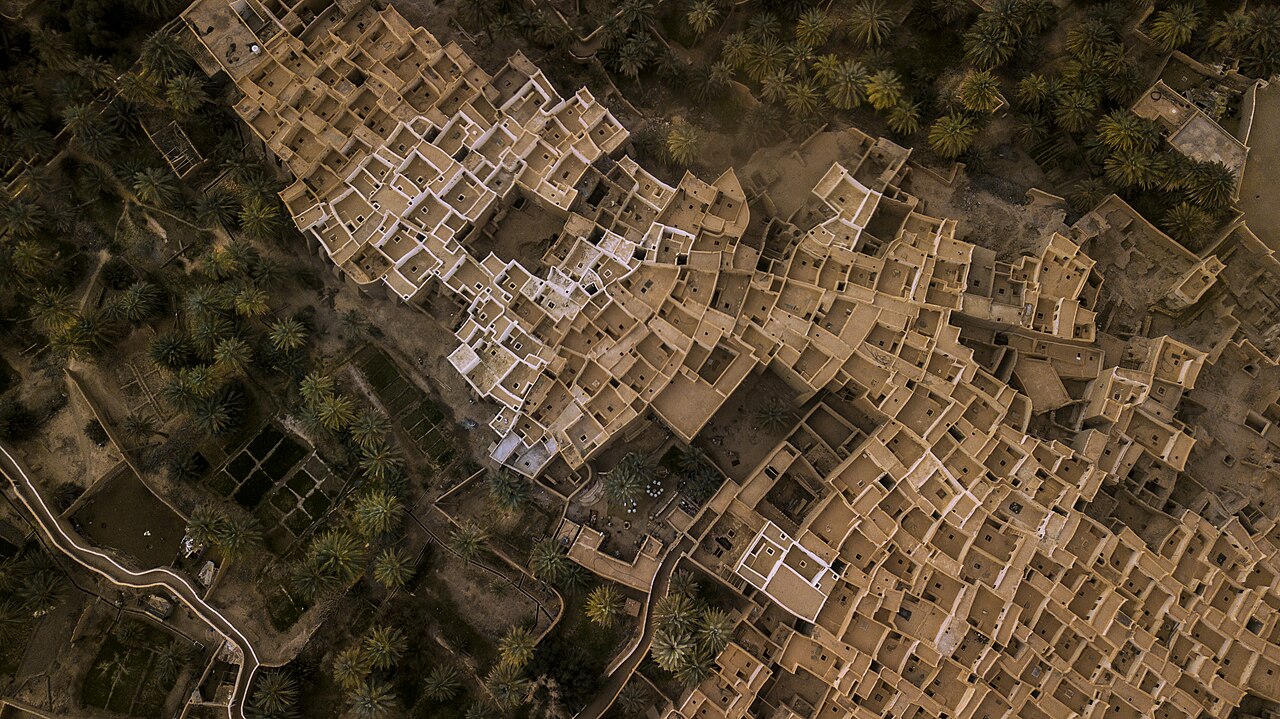
An aerial view of the mud-brick labyrinth of the old oasis town of Ghadames in the Libyan Sahara, its earthen rooftops surrounded by green date palms
Ghadames · the old oasis town from the air
An active-conflict country, not a destination
Since 2011 Libya has been fractured by conflict between rival administrations and a patchwork of armed groups. There is a high threat of kidnapping (including of foreigners for ransom), terrorism, and sudden armed clashes, and the frontline and areas of control shift. Governments advise against all, or all but essential, travel, and in-person consular support is not available. Treat any presence as a high-risk security operation planned with professionals — not as travel.Source: UK Foreign, Commonwealth & Development Office
If presence is unavoidable
For the rare case where presence is genuinely essential, everything hinges on security: vetted local partners and security advisers, robust contingency and evacuation plans, a very low profile, and constant monitoring of a volatile situation. Keep documents in order for checkpoints run by different groups, avoid night and inter-city travel, never approach front lines or sensitive sites, and never photograph anything military or official. Keep faith and politics entirely private.Source: UK Foreign, Commonwealth & Development Office
Hospitality and history behind the conflict
Libyans have a strong tradition of hospitality and a rich heritage — Roman cities like Leptis Magna and Sabratha, Greek Cyrene, Saharan oases and Berber towns. None of this is safely accessible now, but it matters for understanding the people and the place. Engage with Libyans and Libya through trusted relationships and with deep respect for what the country has endured, and let security realities govern every decision.Source: Travel Readiness Engine

The security and conflict notes draw on UK FCDO travel advice for Libya. Contains public sector information licensed under the Open Government Licence v3.0.

Reviewed 27 Oct 2026. Cross-cultural guidance authored by the mission-readiness team, awaiting review by local partners. In a conflict environment, security guidance takes priority over cultural nuance; broad tendencies vary by individual and setting.

Your readiness plan

Once you've built a plan, this becomes your personal, checkable preparation for Libya — the same engine behind every Trefeo briefing, honest about what still needs verifying.

Personal readiness · free

Build your free plan to see what this trip asks of you.

Add your passport and the devices you'll carry — no sign-in needed — and this turns into a personal, checkable readiness plan for Libya: entry, accounts, devices, connectivity, culture and emergency, starting at 0% until you work through it.

Sources & licences

Every fact on this page is traceable. Each section above links its own source and review date; the full list is below.

  • Freedom House viewDigital-rights research

    Libya: Freedom in the World 2025 · © Freedom House; noncommercial use with citation, commercial by permission

  • Joshua Project viewMission research

    Libya — people groups, languages and religions · Free to use with attribution; NON-COMMERCIAL

  • Travel Readiness EngineTrefeo editorial

    Editorial guidance (mission-readiness team)

  • U.S. Department of State viewOfficial government

    2023 Report on International Religious Freedom: Libya · Public domain (U.S. Government work, 17 U.S.C. §105)

  • UK Foreign, Commonwealth & Development Office viewGovernment travel advisory

    Foreign travel advice: Libya · Open Government Licence v3.0