Skip to content
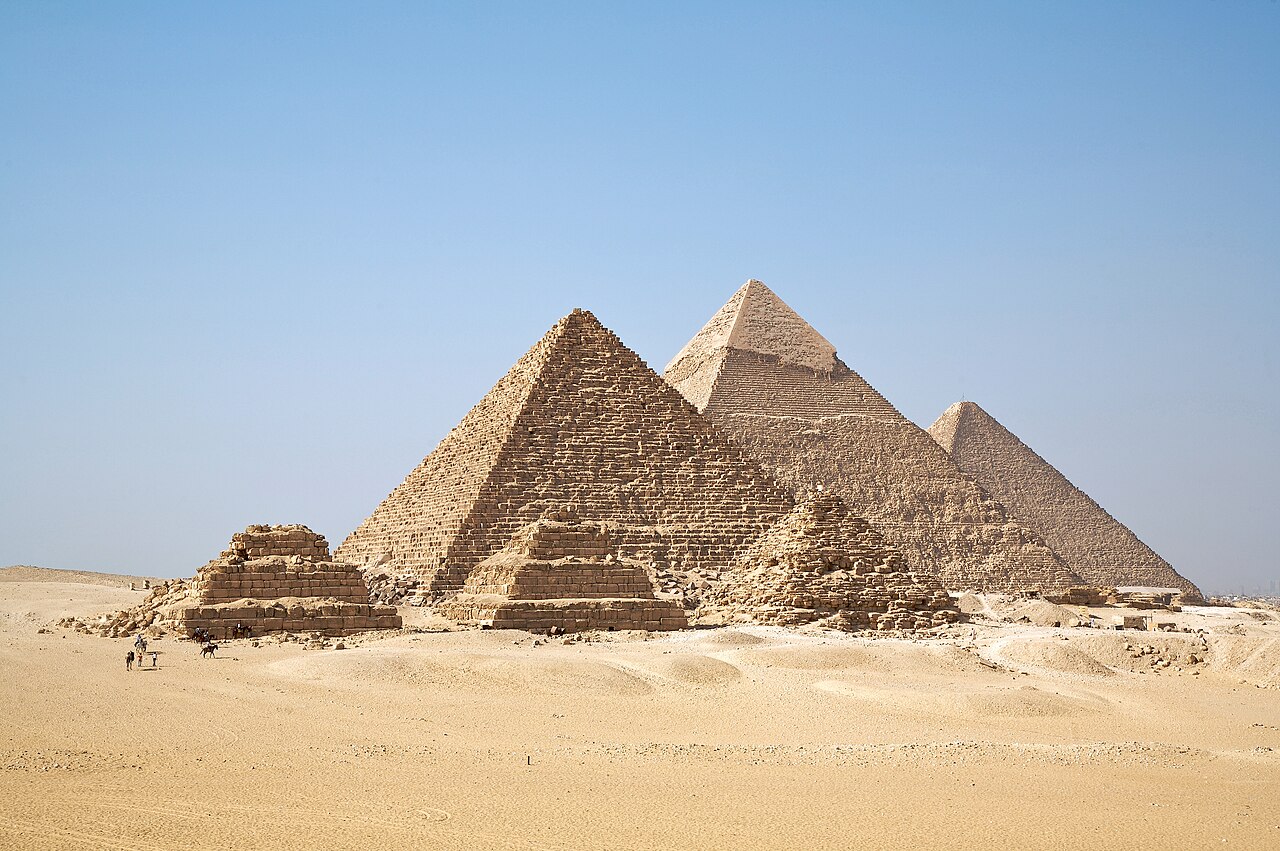
The three Great Pyramids of Giza rising from the desert under a clear sky, with the smaller subsidiary pyramids in the foreground

Prepare for your trip to Egypt.

The most populous Arab country, strung along the Nile from Cairo and the Delta to Luxor, Aswan and the Red Sea coast. Ancient, hospitable and intense, with a heavily policed main tourist corridor that is generally calm — alongside real terrorism risk, sensitive borders and a strong security state. Your briefing covers what changes the trip: entry by passport (which depends on your nationality), staying connected under tight controls, and local custom beyond the resorts.

Free to explore. No sign-in needed.
Region
North Africa · the Nile and the Red Sea
Capital
Cairo
Languages
Arabic (official) · English and French (widely understood in business and tourism)
Entry
Depends on your passport

Travel advisory · UK Foreign, Commonwealth & Development Office

The UK FCDO advises against all travel to within 20km of the Egypt-Libya border (except El Salloum) and to the North Sinai Governorate, and against all but essential travel to parts of South Sinai (beyond the St Catherine-Nuweiba road), eastern Ismailiyah (east of the Suez Canal), the Western Desert (with listed exceptions such as Luxor, Aswan, Abu Simbel, the Faiyum, the Marsa Matruh coast and Siwa) and the Hala'ib Triangle. The main tourist areas — Cairo, the Nile valley and the Red Sea resorts — are not under these warnings but are policed accordingly. Regional tensions remain unpredictable. This is a foreign-government advisory; check the latest advice before travel.

Reviewed 27 Oct 2026 · FCDO advice was last updated 4 Aug 2026 and was still current at 27 Oct 2026. The advise-against-travel zones are border and desert regions; the main tourist corridor is excluded, but conditions can change — verify before travel.

Read the current advice

Do I need a visa for Egypt?

Entry depends on your nationality, and Egypt doesn't publish the full picture. Most visitors apply for a 30-day e-Visa in advance on the official portal (visa2egypt.gov.eg) or take a visa on arrival at major airports; GCC nationals are visa-free for up to six months; and some nationalities must obtain a visa with advance security clearance from an Egyptian mission. Choose the passport you'll travel with and this section adjusts — but confirm your route on the official portal.

Which passport will you use?

Choose your passport country, not your country of residence.

No name, passport number or document upload.

Passport not selected

Your entry context starts here

Choose a passport and this shows your real, sourced entry status for Egypt — verified, provisional or verification-required — straight from the engine.

What should I verify before I travel?
Confirm your own nationality's pathway on the sole official portal (visa2egypt.gov.eg — beware imitation sites) and with the nearest Egyptian mission, and check your own foreign ministry. Carry a passport valid at least six months. If you'll only visit the Sinai resorts, a free 'Sinai-only' permit may apply but doesn't cover the rest of Egypt. The final decision on admission rests with the authorities.
Why does Trefeo show "verification required"?
Trefeo keeps sourced destination context separate from passport-specific rules that still need confirmation. Selecting a passport should never turn an unverified rule into a verified requirement, so Trefeo holds it at "verification required" until it's confirmed against an authoritative source.

The Nile.
A security state.
Your context.

Egypt is rewarding and well-travelled, but its visa tiers aren't fully published, its online and photographic rules are strict, and conservative norms apply the moment you leave the resorts. What matters depends on your passport and where you're going, so this is built to skim — and to read alongside current advice.

Staying connected in Egypt

Mobile coverage (Orange, Vodafone, Etisalat/e&, WE) is good in cities and resorts, and a tourist SIM needs your passport to register. But Egypt is rated Not Free: WhatsApp, Viber and Skype voice/video calls are blocked, many news sites are blocked, and users have been prosecuted for online posts — assume monitoring, keep commentary off politics, religion and the security forces, and plan how you'll call home.

Mobile networksOrange · Vodafone · Etisalat/e& · WE
Getting onlinePassport-registered SIM; VoIP calls (WhatsApp/Viber/Skype) blocked — plan alternatives
Digital conditions · sourced
Internet freedomhigh

Egypt is rated 'Not Free' (28/100) in Freedom on the Net 2025. Hundreds of news and political websites are blocked, and the internet has been throttled around unrest.

Online speechhigh

Users have been detained and prosecuted for social-media posts under cybercrime and 'false news' laws. Keep commentary off politics, the security services, religion and the military; assume monitoring.

Calling apps (VoIP)high

Voice and video calling over WhatsApp, Viber, Skype and similar is blocked on Egyptian networks. Plan to call over a VPN or by other means, and tell contacts in advance.

Connectivitymoderate

Mobile coverage (Orange, Vodafone, Etisalat/e&, WE) is good in cities and resorts; buy a tourist SIM with your passport. Power and network interruptions occur.

Personal VPNsmoderate

VPNs are widely used to reach blocked services and calling apps, but some are blocked and the legal climate is hostile — use an organization-approved provider configured before arrival and be discreet.

Public Wi-Fimoderate

Treat hotel, cafe and other shared networks as untrusted and monitored; avoid sensitive sign-ins without a VPN.

Photography and privacyhigh

Do not photograph military or police sites, personnel, vehicles, bridges or canals — it is prohibited and enforced. Ask before photographing people.

Digital conditions from Freedom House · reviewed 27 Oct 2026. Per-item sources shown by severity (Freedom House, UK FCDO, editorial).
Mission context

Egypt is overwhelmingly Sunni Muslim, with a large, ancient Coptic Christian minority (about a tenth of the population). The state is officially Islamic and the security environment is tight; while the historic church is well established, engagement with the Muslim majority is sensitive — proselytism of Muslims is legally and socially fraught, and discretion protects local believers.

People groups46 total · 33 unreached · 24 frontier
Evangelical~1.4% (Joshua Project estimate)
Primary languageArabic
Progress levelMixed — ancient church, unreached majority
Explore mission-focused context
Joshua Project lists 46 people groups in Egypt, 33 of them unreached (about 72%) and 24 considered frontier (least-reached). It estimates roughly 1.4% evangelical and about 9.5% Christian adherents overall — the latter reflecting the Coptic Orthodox community. The largest single group is the Egyptian Arab (Muslim), estimated near 68 million.
Joshua Project

People-group figures are Joshua Project estimates, used with attribution. Complements — does not replace — dedicated research platforms. Egypt has an ancient Coptic church alongside an unreached Muslim majority; proselytism of Muslims is sensitive and discretion protects local people. · reviewed 27 Oct 2026.

Local customs and etiquette in Egypt

Egypt runs on two registers: relaxed Red Sea resorts, and a conservative, majority-Muslim society everywhere else — with an ancient Coptic Christian minority and a watchful security state. Dress and behave for where you actually are, keep cameras off anything official, and read the notes that fit your trip.

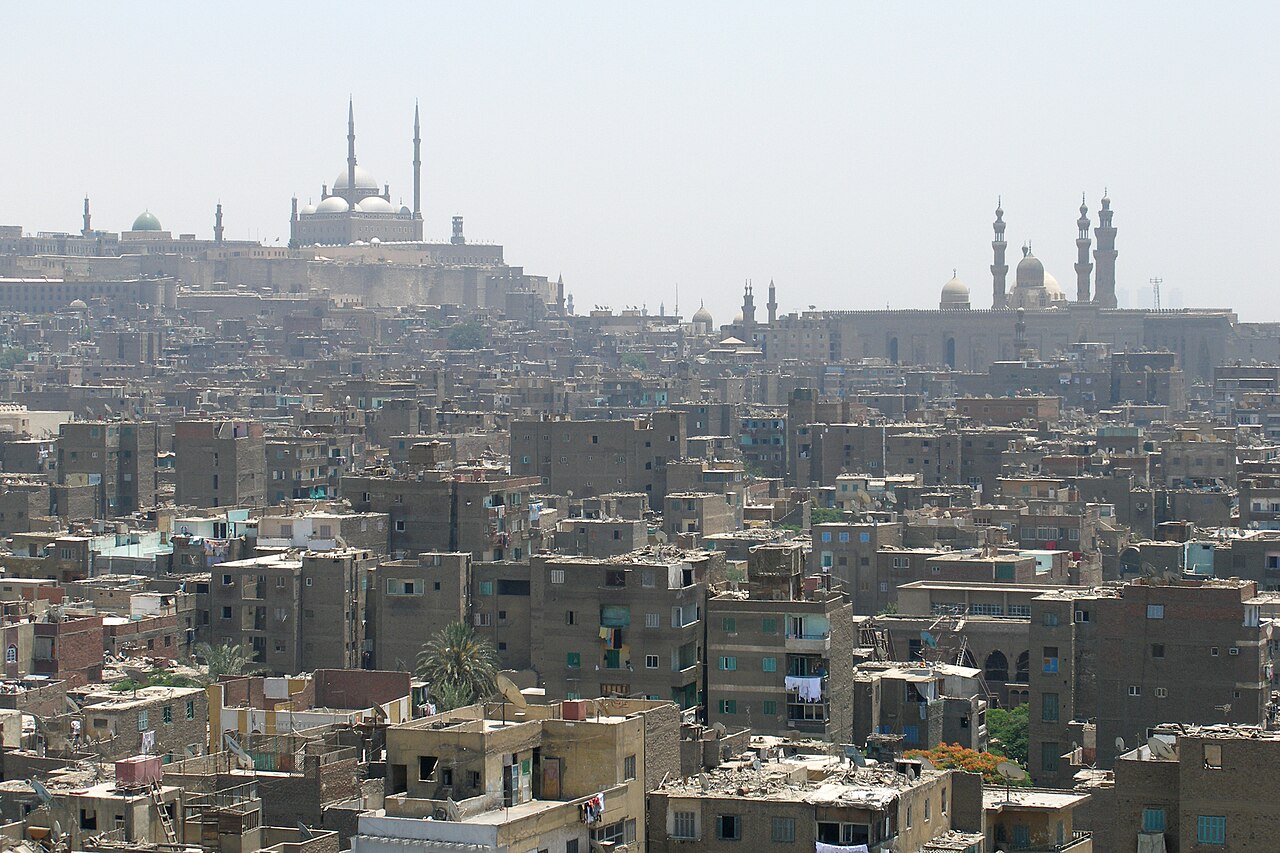
A view over the dense rooftops of historic Islamic Cairo toward the Citadel, with the domes and slender minarets of the Muhammad Ali Mosque on the skyline and the Sultan Hassan and Al-Rifa'i mosques to the right
Cairo · the Citadel and Muhammad Ali Mosque over Islamic Cairo
Two Egypts: resorts and everywhere else
The Red Sea resorts (Sharm el-Sheikh, Hurghada, Dahab, Marsa Alam) run as a relaxed tourism bubble, where swimwear, alcohol and mixed socialising are normal. Cairo, the Nile valley towns and rural Egypt are conservative, majority-Muslim society where modest dress, discretion and respect for religious rhythm matter. Many trips combine both — pack and behave for whichever you are in at the time.Source: UK Foreign, Commonwealth & Development Office
The security state and photography
Egypt is heavily policed, with checkpoints, visible security and a low tolerance for anything read as a threat. Photographing military or police sites, personnel, vehicles, bridges, canals and other infrastructure is prohibited and enforced — tourists have been detained for it. Public criticism of the state, in person or online, carries real risk under cybercrime and 'false news' laws. Keep cameras on the monuments and the scenery, and keep opinions private.Source: UK Foreign, Commonwealth & Development Office
Faith, the Coptic church and discretion
Islam is the state religion, but Egypt is also home to the Coptic Orthodox Church, one of the oldest Christian communities on earth (about a tenth of Egyptians). The historic church is visible and long-established, yet engagement with the Muslim majority is sensitive: conversion from Islam is not recognised, proselytism of Muslims is legally and socially fraught, and sectarian tension exists. Keep personal faith discreet and never draw local people into risk.Source: U.S. Department of State
Baksheesh, bargaining and everyday money
Baksheesh — small tips for everyday services — is part of life: for porters, washroom attendants, drivers, guides and small helps. Carry small notes, tip modestly and cheerfully, and don't be surprised by requests. In markets and with taxis, bargaining is expected: settle a price before you commit, stay good-humoured, and walk away freely. None of this should feel adversarial — it's social as much as transactional.Source: Travel Readiness Engine

The two-Egypts, security/photography and resort notes draw on UK FCDO travel advice for Egypt. Contains public sector information licensed under the Open Government Licence v3.0.

Reviewed 27 Oct 2026. Cross-cultural guidance authored by the mission-readiness team, awaiting review by local partners. Broad contextual tendencies that vary by individual and setting — not rules about how any person will behave.

Your readiness plan

Once you've built a plan, this becomes your personal, checkable preparation for Egypt — the same engine behind every Trefeo briefing, honest about what still needs verifying.

Personal readiness · free

Build your free plan to see what this trip asks of you.

Add your passport and the devices you'll carry — no sign-in needed — and this turns into a personal, checkable readiness plan for Egypt: entry, accounts, devices, connectivity, culture and emergency, starting at 0% until you work through it.

Sources & licences

Every fact on this page is traceable. Each section above links its own source and review date; the full list is below.

  • Freedom House viewDigital-rights research

    Egypt: Freedom on the Net 2025 · © Freedom House; noncommercial use with citation, commercial by permission

  • Joshua Project viewMission research

    Egypt — people groups, languages and religions · Free to use with attribution; NON-COMMERCIAL

  • Travel Readiness EngineTrefeo editorial

    Editorial guidance (mission-readiness team)

  • U.S. Department of State viewOfficial government

    2023 Report on International Religious Freedom: Egypt · Public domain (U.S. Government work, 17 U.S.C. §105)

  • UK Foreign, Commonwealth & Development Office viewGovernment travel advisory

    Foreign travel advice: Egypt · Open Government Licence v3.0