Skip to content
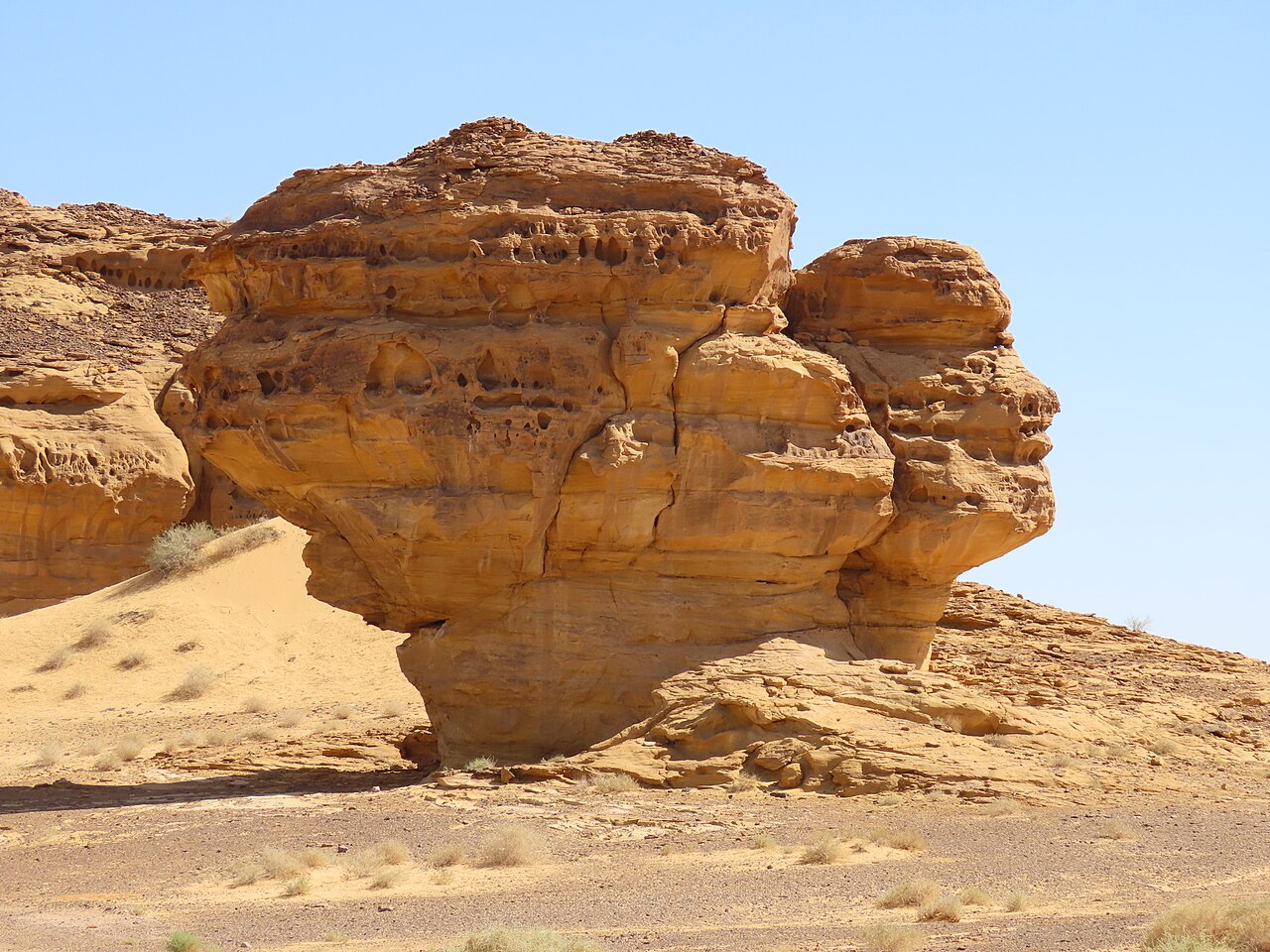
A weathered golden sandstone rock formation in the desert at Hegra, AlUla, Saudi Arabia

Prepare for your trip to Saudi Arabia.

Ancient Nabataean tombs at Hegra, the mud-brick heritage of Diriyah, the Red Sea coast and glass-tower capitals rising from the desert — a country opening quickly to visitors while holding firmly to its customs. Your Saudi Arabia briefing covers what actually changes the trip: entry by passport, staying connected, and the laws and customs that shape daily life.

Free to explore. No sign-in needed.
Region
Middle East · Arabian Peninsula
Capital
Riyadh
Languages
Arabic (official) · English (widely used in business)
Entry
Depends on your passport

Travel advisory · UK Foreign, Commonwealth & Development Office

The UK FCDO advises against all travel to within 10km of Saudi Arabia's border with Yemen, and against all but essential travel to areas between 10km and 80km from that border, citing cross-border attacks. It warns that Houthi forces in Yemen have launched strikes against Saudi territory and Red Sea shipping and could target infrastructure — including airports and ports in Riyadh, Jeddah and Abha — at short notice. Most of the country, including the main cities, is not under an FCDO advise-against-travel warning, but conditions can change quickly, so check the latest advice before travel.

Reviewed 9 Sept 2026 · FCDO advice was last updated 25 Jul 2026 and reflects Houthi attacks and the risk of regional escalation. Security conditions can change quickly — verify before travel.

Read the current advice

Do I need a visa for Saudi Arabia?

Saudi Arabia opened to tourists in 2019: eligible nationalities can get a tourist eVisa (or a visa on arrival) through the official portal, Gulf nationals enter with a national ID, and others apply at an embassy — but the tourist visa doesn't cover work or Hajj, which need their own visas. Choose the passport you'll travel with and this section adjusts to you.

Which passport will you use?

Choose your passport country, not your country of residence.

No name, passport number or document upload.

Passport not selected

Your entry context starts here

Choose a passport and this shows your real, sourced entry status for Saudi Arabia — verified, provisional or verification-required — straight from the engine.

What should I verify before I travel?
Confirm your visa type, eligibility, permitted stay, passport validity (generally at least six months) and the health-insurance requirement on the official Saudi visa portal (visitsaudi.com) or with a Saudi embassy. If you're travelling for anything other than tourism, check which visa applies. The final decision on admission rests with the border authorities.
Why does Trefeo show "verification required"?
Trefeo keeps sourced destination context separate from passport-specific rules that still need confirmation. Selecting a passport should never turn an unverified rule into a verified requirement, so Trefeo holds it at "verification required" until it's confirmed against an authoritative source.

The desert.
The cities.
Your context.

Saudi Arabia runs from Red Sea reefs and the heritage sites of AlUla to the modern sprawl of Riyadh and Jeddah. What matters depends on where you're headed and why — and the rules can be stricter than nearby countries — so this is built to skim, not to read end to end.

Staying connected in Saudi Arabia

Three operators cover the country — STC, Mobily and Zain — and a travel eSIM saves you hunting for a SIM on arrival. Coverage is strong across the cities and main routes and thins in the deep desert, so download offline maps before heading out of town.

Mobile networksSTC · Mobily · Zain
Getting onlineTravel eSIM, set up before you fly
Digital conditions · sourced
Internet freedomhigh

Rated 'Not Free' (25/100). Extensive censorship and surveillance, with severe penalties for online expression.

Online speechhigh

People have received extreme sentences for social-media activity — including decades in prison, and an online journalist reported executed in 2025. Assume anything posted carries serious legal risk.

Surveillancehigh

The report describes extensive state surveillance of internet activity with essentially no legal protection. Assume networks and devices may be monitored.

Website blockingmoderate

Authorities block websites and heavily censor content; major social platforms are widely used but monitored.

Personal VPNslow

No general prohibition on personal VPN use is reported, but rules can change and traffic may be monitored — prefer an organization-approved provider configured before arrival, and verify current rules.

Public Wi-Fimoderate

Treat cafe, hotel and other shared networks as untrusted and monitored; avoid sensitive sign-ins without a VPN.

Photography of sensitive sites & peopleelevated

Avoid photographing military, security and government sites; ask before photographing people — especially women — as this is culturally and legally sensitive.

Digital conditions from Freedom House · reviewed 9 Sept 2026. Per-item sources shown by severity (Freedom House, UK FCDO, editorial).
Mission context

Public non-Muslim worship is not permitted and proselytising is prohibited; any engagement is strictly private, relational, and mindful of the law and of people's safety. A large expatriate workforce adds religious diversity that is not publicly expressed.

People groups57 total · 43 unreached · 26 frontier
Evangelical~0.5% (Joshua Project estimate)
Primary languageNajdi Arabic
Progress levelLevel 1 — unreached
Explore mission-focused context
Joshua Project lists 57 people groups in Saudi Arabia, of which 43 are considered unreached and 26 are 'frontier'. It estimates the population at about 3.7% Christian adherent (largely among expatriates) and 0.5% evangelical, and rates overall progress at Level 1 ('unreached'). The largest single group is Najdi Saudi Arabs, estimated near 10.7 million.
Joshua Project

People-group figures are Joshua Project estimates, used with attribution. Complements — does not replace — dedicated research platforms. · reviewed 9 Sept 2026.

Local customs and etiquette in Saudi Arabia

Saudi Arabia is opening to visitors fast, but some laws and customs are stricter than in nearby countries and a few carry serious penalties. Read the notes that fit where you're actually going.

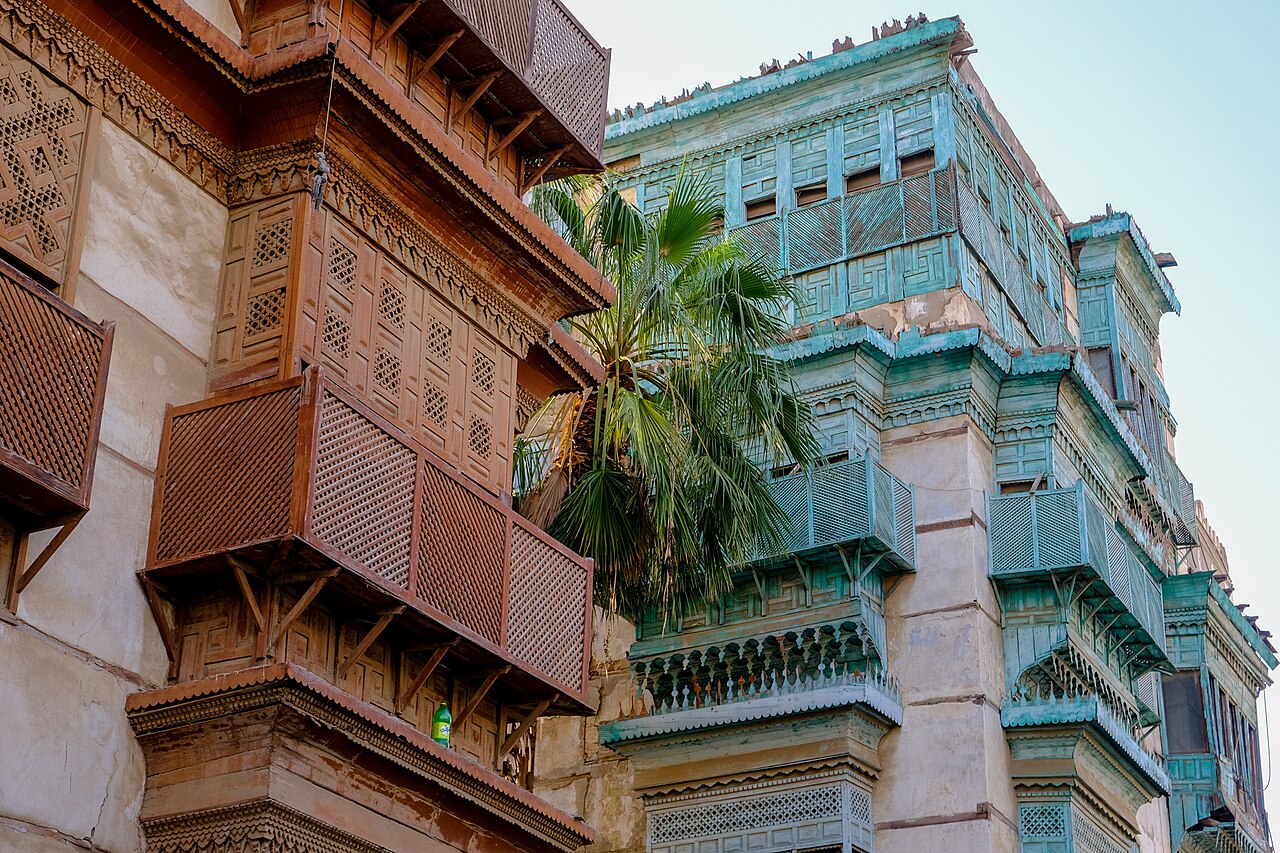
Carved wooden mashrabiya balconies on the coral-stone houses of Historic Jeddah (Al-Balad)
Historic Jeddah · Al-Balad
Local context
Saudi Arabia is overwhelmingly Muslim and the custodian of Islam's holiest sites, so religion shapes daily life and the law. The country is opening to visitors quickly, but social and legal norms stay conservative and strict laws still apply — alcohol is banned, and public criticism of the government, the royal family or Islam is a serious matter. Don't assume tourism openness means the rules have relaxed.Source: UK Foreign, Commonwealth & Development Office
Everyday language
Arabic is the official language. English is widely used in business and in the main cities, though not by everyone. Learning a few Arabic greetings and courtesies is appreciated; ask which language your contacts prefer, and arrange interpretation for meetings or visits if needed.Source: Travel Readiness Engine
Clothing and religious sites
Both women and men should dress modestly — loose clothing that covers the shoulders and knees, avoiding tight fits and offensive or political slogans. Women are no longer required to wear an abaya or cover their hair, but dress more conservatively outside the cities and at religious sites. Non-Muslims cannot enter the holy city of Mecca, or the central area around the Prophet's Mosque in Medina.Source: UK Foreign, Commonwealth & Development Office
During Ramadan
If your trip overlaps Ramadan, do not eat, drink, smoke or chew gum in public during daylight hours — this is taken seriously and can carry penalties. Avoid loud music and swearing in public, dress more conservatively than usual, and expect shorter or shifted opening hours.Source: UK Foreign, Commonwealth & Development Office
Photography
Avoid photographing government, military and oil sites, and do not capture or share images of security incidents. Ask before photographing people, especially women, and respect a refusal. Drones and some camera equipment need permission — check the current rules before you travel.Source: UK Foreign, Commonwealth & Development Office

Local context, clothing, Ramadan and photography draw on UK FCDO travel advice for Saudi Arabia. Contains public sector information licensed under the Open Government Licence v3.0. UK FCDO — Saudi Arabia travel advice · Open Government Licence v3.0

Reviewed 9 Sept 2026. Cross-cultural guidance authored by the mission-readiness team, awaiting review by local partners. These are broad contextual tendencies that vary by individual and setting — not rules about how any person will behave — and must be read alongside Saudi Arabia's strict laws.

Your readiness plan

Once you've built a plan, this becomes your personal, checkable preparation for Saudi Arabia — the same engine behind every Trefeo briefing, honest about what still needs verifying.

Personal readiness · free

Build your free plan to see what this trip asks of you.

Add your passport and the devices you'll carry — no sign-in needed — and this turns into a personal, checkable readiness plan for Saudi Arabia: entry, accounts, devices, connectivity, culture and emergency, starting at 0% until you work through it.

Sources & licences

Every fact on this page is traceable. Each section above links its own source and review date; the full list is below.

  • Freedom House viewDigital-rights research

    Saudi Arabia: Freedom on the Net 2025 · © Freedom House; noncommercial use with citation, commercial by permission

  • Joshua Project viewMission research

    Saudi Arabia — people groups, languages and religions · Free to use with attribution; NON-COMMERCIAL

  • Travel Readiness EngineTrefeo editorial

    Editorial guidance (mission-readiness team)

  • U.S. Department of State viewOfficial government

    2023 Report on International Religious Freedom: Saudi Arabia · Public domain (U.S. Government work, 17 U.S.C. §105)

  • UK Foreign, Commonwealth & Development Office viewGovernment travel advisory

    Foreign travel advice: Saudi Arabia · Open Government Licence v3.0