Skip to content
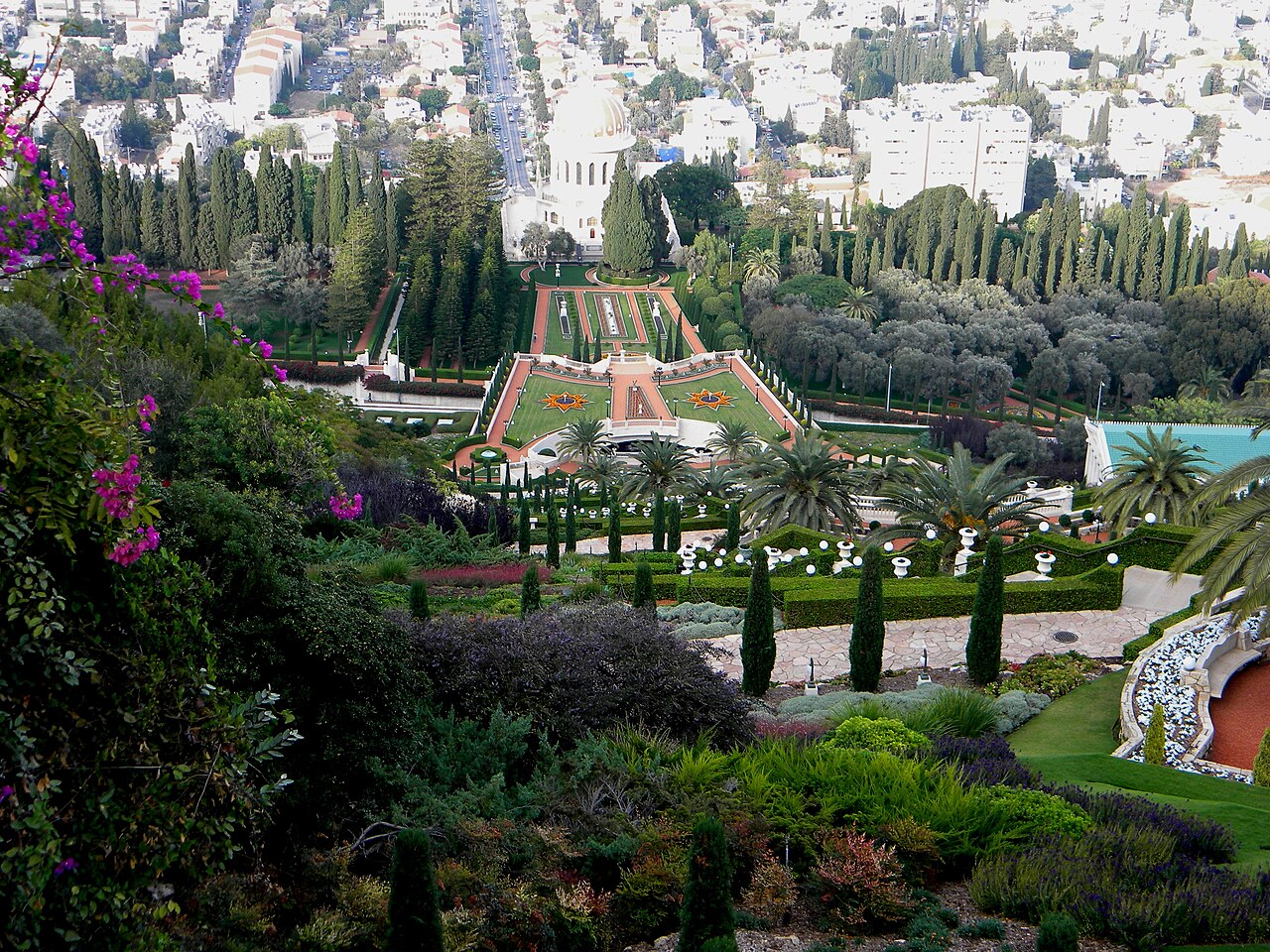
The terraced Baháʼí Gardens on Mount Carmel in Haifa, descending past cypress avenues to the golden-domed Shrine of the Báb and the city below

Prepare for your trip to Israel.

A developed, deeply plural country — a Jewish majority alongside a substantial, mostly Muslim Arab minority and smaller Christian and Druze communities — and a focal point of regional conflict. Everyday life in the main cities functions and tourism operates, but rocket and drone risk can affect the country and several areas carry government travel warnings; the status of Jerusalem and some areas is internationally disputed. This briefing is written to be factual and even-handed — orientation to verify, not a political position.

Free to explore. No sign-in needed.
Region
Middle East · Eastern Mediterranean / Levant
Capital
Jerusalem (seat of government; international status disputed)
Languages
Hebrew (official) · Arabic (special status) · English and Russian (widely used)
Entry
Depends on your passport

Travel advisory · UK Foreign, Commonwealth & Development Office

The UK FCDO advises against all travel to parts of the area it covers — including Gaza, within 500m of the Gaza perimeter, northern Israel and the Golan Heights north of Route 89/91, and the Tulkarm, Jenin and Tubas governorates of the West Bank — and against all but essential travel to most of the rest of the West Bank (with some exceptions). It warns of the risk of rocket and drone attacks affecting the country, and of disruption at Ben Gurion Airport. This is a foreign-government advisory covering Israel and the Occupied Palestinian Territories; conditions can change quickly, so check the latest advice before travel.

Reviewed 9 Sept 2026 · FCDO advice was last updated 22 Jul 2026 and carries area-specific warnings plus a country-wide rocket/drone risk. Security conditions change rapidly — verify before travel.

Read the current advice

Do I need a visa for Israel?

Many nationalities can visit visa-free for up to three months but must obtain an Electronic Travel Authorisation (ETA-IL) online before arrival; expect security questioning on entry and exit, and keep the entry card you are given as proof of legal entry. Rules can change at short notice and depend on nationality and travel history. Choose the passport you'll travel with and this section adjusts to you.

Which passport will you use?

Choose your passport country, not your country of residence.

No name, passport number or document upload.

Passport not selected

Your entry context starts here

Choose a passport and this shows your real, sourced entry status for Israel — verified, provisional or verification-required — straight from the engine.

What should I verify before I travel?
Confirm your visa route, ETA-IL requirement, eligibility and permitted stay with the Israeli authorities (the Population and Immigration Authority) or an Israeli diplomatic mission, and check your own foreign ministry. At Ben Gurion you usually get an entry card rather than a stamp — keep it with your passport. Expect security questioning, which can be lengthy for some travellers. The final decision on admission rests with the border authorities.
Why does Trefeo show "verification required"?
Trefeo keeps sourced destination context separate from passport-specific rules that still need confirmation. Selecting a passport should never turn an unverified rule into a verified requirement, so Trefeo holds it at "verification required" until it's confirmed against an authoritative source.

A plural society.
A volatile moment.
Your context.

Israel holds communities with distinct languages, calendars and sensitivities, in a high-tension environment where the security picture can change fast and differs sharply by area. What matters depends on where you're headed and who you're meeting, so this is built to skim — and to read alongside current, area-specific advice.

Staying connected in Israel

Several operators cover the country — Cellcom, Partner, Pelephone and Hot Mobile — with strong coverage and a developed, broadly open internet; a travel eSIM is the simplest way to arrive connected. Crucially, install the official Home Front Command alert app before you travel so you receive rocket and emergency warnings, and know where the nearest shelter or protected space is wherever you stay.

Mobile networksCellcom · Partner · Pelephone · Hot Mobile
Getting onlineTravel eSIM; install the Home Front Command alert app
Digital conditions · sourced
Internet freedomlow

Israel maintains a broadly free and highly developed internet (rated 'Free', 73/100 in Freedom in the World). Access is open and infrastructure is strong.

Online speechmoderate

Since October 2023 the authorities have made many arrests and interrogations for alleged online incitement, with Arab citizens facing disproportionate enforcement; defamation law applies to social-media posts. Be careful and factual about the conflict online.

Border device checksmoderate

Security screening on entry and exit can be thorough; travellers with certain profiles face longer questioning. Carry minimal sensitive data and expect scrutiny.

Personal VPNslow

Personal VPN use is not generally restricted, but prefer an organization-approved provider configured before arrival and verify current rules.

Public Wi-Fimoderate

Treat cafe, hotel and other shared networks as untrusted; avoid sensitive sign-ins without a VPN.

Photography of sensitive sitesmoderate

Avoid photographing military, security and checkpoint locations and personnel; be careful around religious sites and demonstrations.

Digital conditions from Freedom House · reviewed 9 Sept 2026. Per-item sources shown by severity (Freedom House, UK FCDO, editorial).
Mission context

Israel is a plural society: a Jewish majority alongside a substantial, mostly Muslim Arab minority and smaller Christian and Druze communities, each with distinct languages, calendars and sensitivities. In a contested, high-tension environment, any engagement is relational, respectful of every community, and mindful of the law and of people's safety.

People groups50 total · 43 unreached · 32 frontier
Evangelical~0.7% (Joshua Project estimate)
Primary languagesHebrew · Arabic
Progress levelLevel 1 (Joshua Project scale)
Explore mission-focused context
Joshua Project lists 50 people groups in Israel, of which it classifies 43 as unreached and 32 as 'frontier', reflecting its methodology across Jewish, Arab and other communities. It estimates the population at about 1.4% Christian adherent and 0.7% evangelical, and rates overall progress at Level 1. The largest single group listed is Palestinian/Israeli Arabs, estimated near 1.6 million.
Joshua Project

People-group figures are Joshua Project estimates, used with attribution and reflecting its own classification methodology across communities. Complements — does not replace — dedicated research platforms. · reviewed 9 Sept 2026.

Local customs and etiquette in Israel

Israel is plural and layered — secular and religious Jewish communities, Arab (Muslim and Christian) and Druze communities, each with distinct norms, calendars and sensitivities. Treat every community with equal respect, and read the notes that fit where you're actually going.

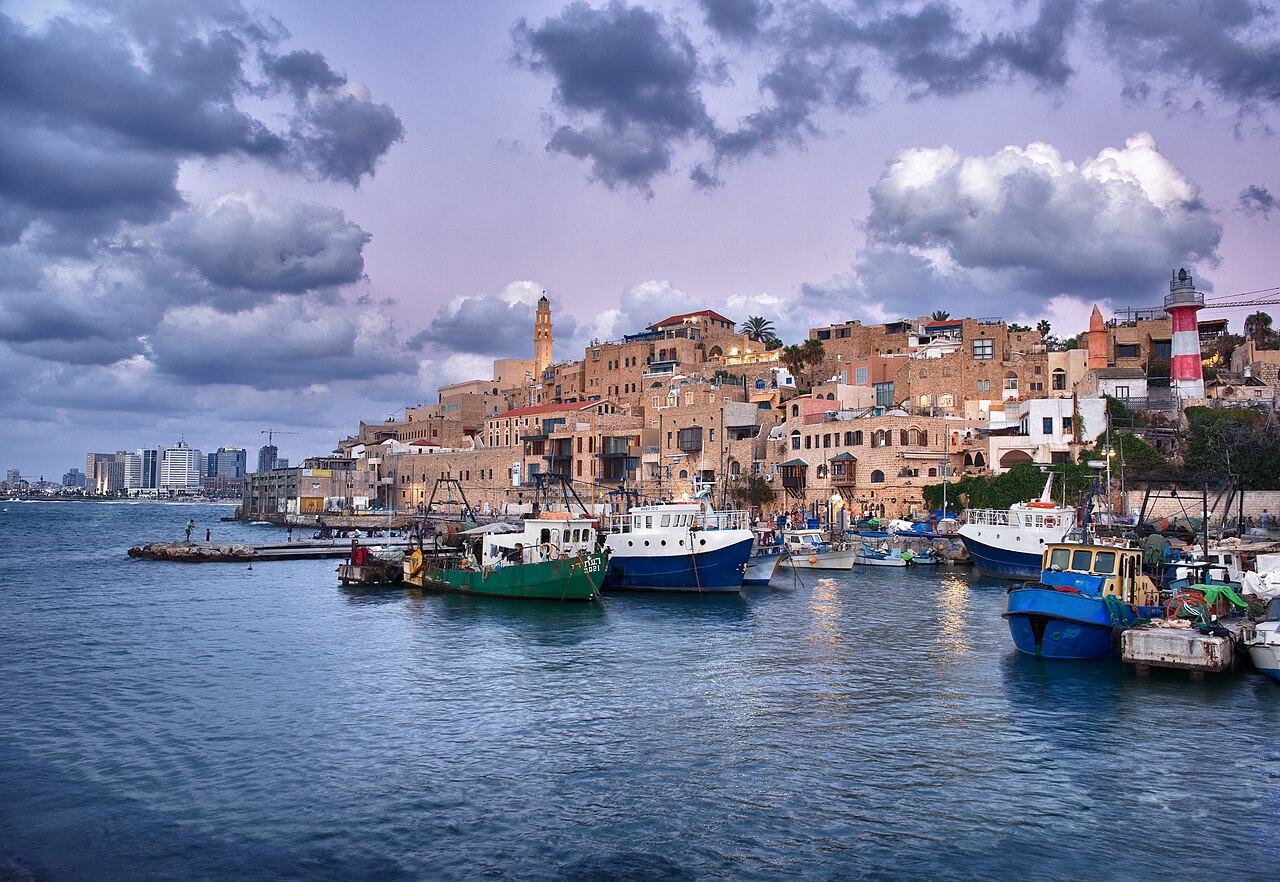
The old port of Jaffa at dusk, fishing boats in the harbour below the ancient stone old city, with the Tel Aviv skyline in the distance
Jaffa · the old port at dusk, Tel Aviv beyond
Local context
Israel is deeply plural — secular and religious Jewish communities (from secular to Haredi), Arab communities (Muslim and Christian) and Druze communities, each with distinct languages, calendars, norms and grievances. In a contested, high-tension environment, treat every community with equal respect, never assume one community's customs apply to another, and stay even-handed. The status of Jerusalem and some areas is internationally disputed.Source: Travel Readiness Engine
Religion and observance
Shabbat (Friday evening to Saturday evening) shapes Jewish religious life — many businesses close and most public transport halts in Jewish areas — while Islamic and Christian observances shape other communities. Holy sites of every faith have strict dress and conduct codes: dress modestly, cover as required, follow site-specific rules, and be especially careful around prayer and during religious festivals.Source: Travel Readiness Engine
Communication and discretion
The conflict makes political talk highly charged, in person and online. Since October 2023 the authorities have made many arrests over alleged online incitement, with Arab citizens facing disproportionate enforcement, and defamation law applies to social-media posts. Stay even-handed and factual, avoid taking political positions or sharing inflammatory content, and be mindful that what you post can affect both you and the people around you.Source: UK Foreign, Commonwealth & Development Office
Security awareness
Security consciousness is high: checkpoints, bag searches and thorough screening are routine, and situations can change rapidly. Follow instructions from security personnel without argument, keep your documents and entry card to hand, allow extra time, and take movement decisions — especially near sensitive or warned areas — from trusted local partners. Install the Home Front Command alert app and know your nearest shelter.Source: UK Foreign, Commonwealth & Development Office
Photography
Avoid photographing military, security and checkpoint locations and personnel. Be careful around religious sites — some prohibit photography, and photographing people at prayer can cause offence — and around demonstrations. Always ask before photographing people, and never post others' images without consent.Source: UK Foreign, Commonwealth & Development Office

Communication, security and photography draw on UK FCDO travel advice for Israel and the Occupied Palestinian Territories. Contains public sector information licensed under the Open Government Licence v3.0.

Reviewed 9 Sept 2026. Cross-cultural guidance authored by the mission-readiness team, awaiting review by local partners. Deliberately even-handed across communities; broad contextual tendencies that vary by individual and setting — not rules about how any person will behave — and must be read alongside current, area-specific security advice.

Your readiness plan

Once you've built a plan, this becomes your personal, checkable preparation for Israel — the same engine behind every Trefeo briefing, honest about what still needs verifying.

Personal readiness · free

Build your free plan to see what this trip asks of you.

Add your passport and the devices you'll carry — no sign-in needed — and this turns into a personal, checkable readiness plan for Israel: entry, accounts, devices, connectivity, culture and emergency, starting at 0% until you work through it.

Sources & licences

Every fact on this page is traceable. Each section above links its own source and review date; the full list is below.

  • Freedom House viewDigital-rights research

    Israel: Freedom in the World 2025 · © Freedom House; noncommercial use with citation, commercial by permission

  • Joshua Project viewMission research

    Israel — people groups, languages and religions · Free to use with attribution; NON-COMMERCIAL

  • Travel Readiness EngineTrefeo editorial

    Editorial guidance (mission-readiness team)

  • U.S. Department of State viewOfficial government

    2023 Report on International Religious Freedom: Israel, West Bank and Gaza · Public domain (U.S. Government work, 17 U.S.C. §105)

  • UK Foreign, Commonwealth & Development Office viewGovernment travel advisory

    Foreign travel advice: Israel and the Occupied Palestinian Territories · Open Government Licence v3.0