Skip to content
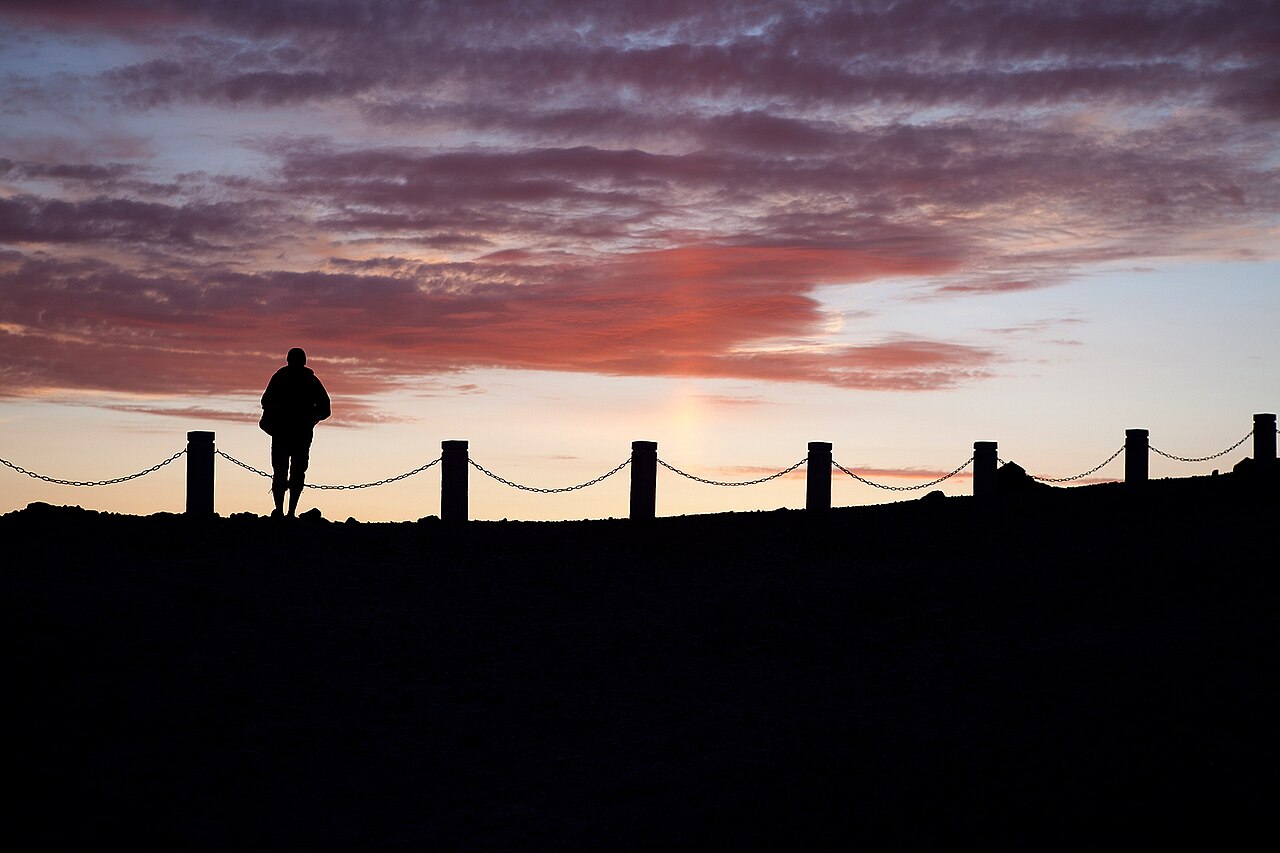
A lone figure silhouetted at a chained railing against a dramatic red-and-purple sunset sky at Mount Paektu, the sacred volcano on the North Korea-China border

Prepare for your trip to North Korea.

A totalitarian one-party state under the Kim family, closed off from most of the world — from monumental Pyongyang to the sacred Mount Paektu, organised around the Juche ideology. This is not an ordinary destination: independent travel is impossible, borders have been largely closed since 2020, governments advise against travel, and there is a serious risk of detention. Your briefing is here for context and duty-of-care — what entry really means, staying (un)connected, and the rules that matter most.

Free to explore. No sign-in needed.
Region
East Asia · a closed totalitarian state
Capital
Pyongyang
Languages
Korean (official; the Pyongyang standard, Munhwa'o)
Entry
Depends on your passport

Travel advisory · UK Foreign, Commonwealth & Development Office

The UK FCDO advises against all but essential travel to North Korea, and the U.S. State Department rates it Level 4 — Do Not Travel, citing the serious risk of arrest and long-term detention. Borders have been closed to general entry since 2020; only limited, sporadic organised tourism has resumed and can be suspended without notice. Independent travel is impossible — visitors are on fully-guided state tours. The British Embassy in Pyongyang is closed and consular support is severely limited; the US has no diplomatic relations (Sweden is the protecting power). North Korean authorities have detained foreign nationals for acts that are not crimes elsewhere and denied them consular access. This is a foreign-government advisory for a closed, high-risk state; do not travel without the most careful consideration, and heed the advisories.

Reviewed 30 Oct 2026 · FCDO advice was last updated 10 Dec 2025 and was still current at 30 Oct 2026; the US State Department advisory is Level 4 (Do Not Travel) with a passport restriction renewed through 31 Aug 2027. Conditions change abruptly and consular support is minimal.

Read the current advice

Do I need a visa for North Korea?

Entry is verification-required: there is no accessible, reliable official DPRK immigration source and no independent travel. Visitors come only on an organised tour through a state-approved operator, who arranges the visa — and borders have been largely closed to general entry since 2020, with only sporadic tourism. US passports are NOT valid for travel to, in or through North Korea without a rare State Department validation; South Korean nationals are barred.

Which passport will you use?

Choose your passport country, not your country of residence.

No name, passport number or document upload.

Passport not selected

Your entry context starts here

Choose a passport and this shows your real, sourced entry status for North Korea — verified, provisional or verification-required — straight from the engine.

What should I verify before I travel?
There is no normal regime to confirm. If travel is ever contemplated, verify current status only with a reputable, established operator and your own foreign ministry. The US advisory is Level 4 — Do Not Travel, with a passport restriction renewed through 31 Aug 2027; the UK advises against all but essential travel. Expect minimal consular support and a serious risk of detention.
Why does Trefeo show "verification required"?
Trefeo keeps sourced destination context separate from passport-specific rules that still need confirmation. Selecting a passport should never turn an unverified rule into a verified requirement, so Trefeo holds it at "verification required" until it's confirmed against an authoritative source.

The closed state.
Not an ordinary destination.
Your context.

North Korea can only be entered — if at all — on a fully-guided state tour, when tourism is open, which changes without notice. US passports are banned, South Koreans are barred, surveillance is total, and detention is a real risk. This page foregrounds security and duty of care, not travel. Read the parts that apply.

Staying connected in North Korea

Plan to be completely offline and unreachable. North Korea is rated Not Free, with no open internet — ordinary people have only a walled domestic intranet (Kwangmyong), and foreign SIMs don't work. Assume total surveillance; phones, laptops, cameras and storage can be inspected on entry and exit, so carry nothing sensitive (religious, political, South Korean or news material) and photograph only what guides permit.

NetworksNo global internet access for visitors; foreign SIMs don't work — assume offline
DevicesInspected on entry/exit; carry nothing sensitive; photograph only what guides allow
Digital conditions · sourced
Internet freedomhigh

North Korea is rated 'Not Free' (3/100) in Freedom in the World 2025 — among the most repressive states on earth. There is effectively no open internet: ordinary people have only a walled domestic intranet (Kwangmyong), while the global internet is reserved for a tiny elite.

Surveillancehigh

Assume total surveillance of all communications and movements. Visitors are accompanied by guides at all times, and contact with ordinary North Koreans is controlled.

Connectivityhigh

There is no normal connectivity for visitors: no access to the global internet, foreign SIMs do not work, and any permitted phone/data access is tightly limited and monitored. Plan to be completely offline and unreachable.

Devices & contenthigh

Phones, laptops, cameras and storage can be inspected on entry and exit and their contents examined. Never carry religious, political, South Korean or news/media material, or anything that could be read as critical of the state.

Photographyhigh

Photography is tightly controlled: never photograph military, checkpoints, construction, poverty, or partial images of monuments/leaders, and only shoot what guides permit. Images may be reviewed and deleted.

Personal VPNshigh

There is no normal network to use a VPN on, and any attempt to circumvent controls would draw extremely dangerous attention. Do not try.

Digital conditions from Freedom House · reviewed 30 Oct 2026. Per-item sources shown by severity (Freedom House, UK FCDO, editorial).
Mission context

North Korea is, by faith, defined by enforced state atheism and the cult of the Kim family, and it is one of the most severely persecuted places on earth to be a Christian — believers face the political-prison camps. Yet a resilient underground church is believed to endure at enormous risk. The overriding reality for any engagement is security: the safety of North Koreans themselves comes first, and nothing should ever expose a local person to danger. Direct in-country engagement is not possible; the work is prayerful, informed and conducted only through those with deep expertise.

People groups4 total · 2 unreached
Evangelical~1.6% (Joshua Project estimate)
Primary languageKorean
Progress levelSeverely persecuted underground church
Explore mission-focused context
Joshua Project lists 4 people groups in North Korea, 2 of them unreached. It estimates roughly 1.6% evangelical and about 1.7% Christian adherents overall, with the primary 'religion' recorded as non-religious (enforced state atheism). The largest group by far is the Korean, around 26 million — among the world's most isolated peoples, where the church survives underground under extreme persecution.
Joshua Project

People-group figures are Joshua Project estimates, used with attribution, and are necessarily uncertain for a closed state. Complements — does not replace — dedicated research platforms. Security and the safety of North Koreans come first; nothing should expose a local person to risk. · reviewed 30 Oct 2026.

Local customs and etiquette in North Korea

Everything in North Korea is governed by the state, the law and the safety of North Koreans. There are non-negotiable rules — respect for the leadership, staying with guides, tightly-controlled photography — and the persecuted underground church means the safety of locals must always come first. Read these carefully.

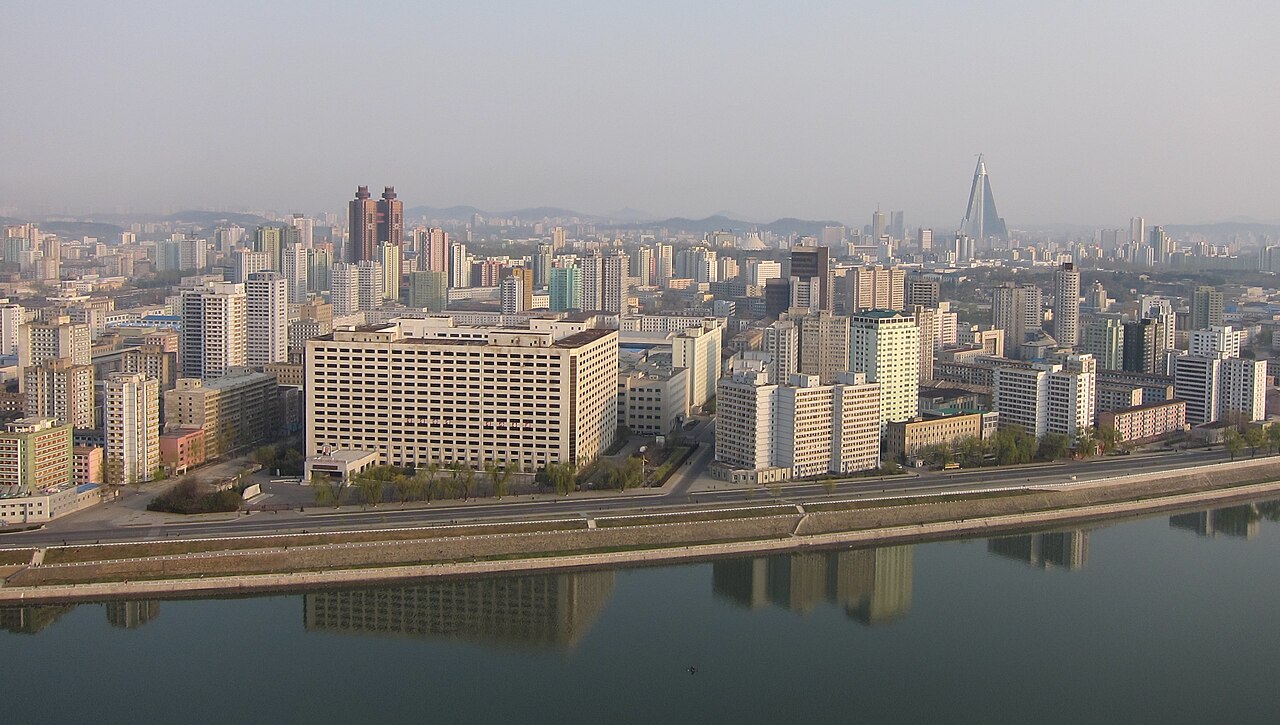
A calm aerial view over Pyongyang: rows of apartment blocks and towers along the Taedong River, with the pyramid-shaped Ryugyong Hotel in the hazy distance and near-empty streets
Pyongyang · the Taedong River and the Ryugyong Hotel
A closed, high-risk state — not an ordinary destination
North Korea is a totalitarian one-party state, closed to independent travel. The borders have been largely shut to general entry since 2020, and the only way in is a fully-guided tour through a state-approved operator — when tourism is open at all, which changes without notice. Governments advise against travel; the US rates it Level 4 (Do Not Travel) and bans travel on US passports without special validation. There is a serious, documented risk of arrest and long-term detention for acts that are not crimes elsewhere, and consular help is minimal (no British Embassy in Pyongyang; the US relies on Sweden). This page exists for context and duty-of-care awareness, not to encourage travel.Source: UK Foreign, Commonwealth & Development Office
The rules that matter most — leadership, guides, cameras
If anyone does travel, the non-negotiables are simple and serious: show complete respect for the Kim leadership and their images (never damage, fold or deface them, bow when expected, don't joke or criticise); stay with your guides at all times and never move independently; and photograph only what guides permit — never military, checkpoints, construction or poverty. Devices can be inspected on entry and exit. Breaking these rules has led to detention, so treat every instruction as serious.Source: UK Foreign, Commonwealth & Development Office
The persecuted church and the safety of North Koreans
North Korea is among the most dangerous places on earth to be a Christian: believers face the political-prison camps, yet an underground church is believed to persist at great cost. The single most important principle is that the safety of North Koreans comes before anything else. Never carry religious materials, attempt religious or unsanctioned contact, or do anything that could expose a local person to risk — the consequences fall on them far more than on a visitor. Engage through prayer and those with deep, careful expertise.Source: U.S. Department of State

The travel-restriction and in-country conduct notes draw on UK FCDO travel advice for North Korea. Contains public sector information licensed under the Open Government Licence v3.0.

Reviewed 30 Oct 2026. Cross-cultural guidance authored by the mission-readiness team, awaiting review by local partners. In a closed totalitarian state, security, the law and the safety of North Koreans take priority over cultural nuance; broad tendencies vary by individual and setting.

Your readiness plan

Once you've built a plan, this becomes your personal, checkable preparation for North Korea — the same engine behind every Trefeo briefing, honest about what still needs verifying.

Personal readiness · free

Build your free plan to see what this trip asks of you.

Add your passport and the devices you'll carry — no sign-in needed — and this turns into a personal, checkable readiness plan for North Korea: entry, accounts, devices, connectivity, culture and emergency, starting at 0% until you work through it.

Sources & licences

Every fact on this page is traceable. Each section above links its own source and review date; the full list is below.

  • Freedom House viewDigital-rights research

    North Korea: Freedom in the World 2025 · © Freedom House; noncommercial use with citation, commercial by permission

  • Joshua Project viewMission research

    North Korea — people groups, languages and religions · Free to use with attribution; NON-COMMERCIAL

  • Travel Readiness EngineTrefeo editorial

    Editorial guidance (mission-readiness team)

  • U.S. Department of State viewOfficial government

    2023 Report on International Religious Freedom: North Korea · Public domain (U.S. Government work, 17 U.S.C. §105)

  • UK Foreign, Commonwealth & Development Office viewGovernment travel advisory

    Foreign travel advice: North Korea · Open Government Licence v3.0