Skip to content
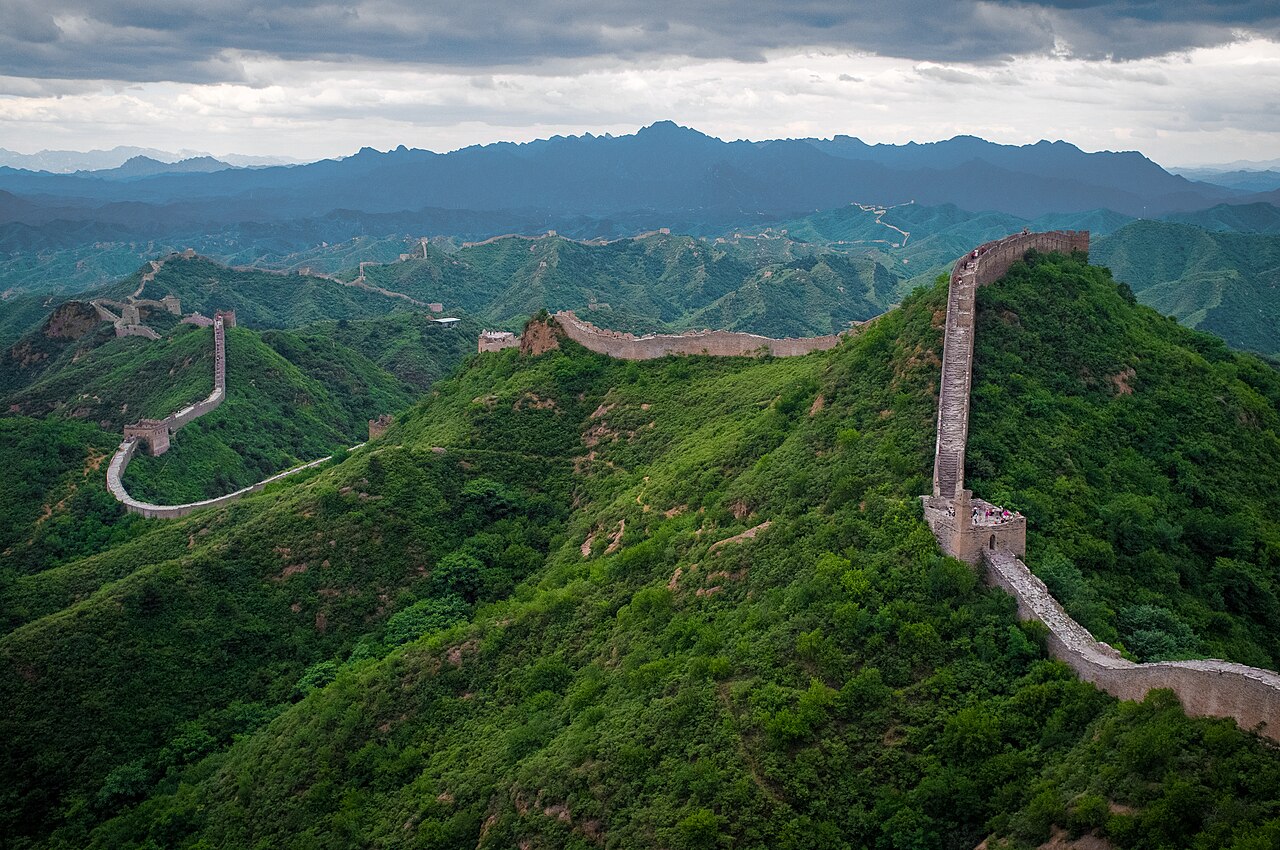
The Great Wall of China winding along the ridgelines of the green Jinshanling mountains into the hazy distance under a cloudy sky

Prepare for your trip to China.

The world's most populous country after India and a rising superpower — from Beijing and Shanghai to ancient Xi'an, the Himalayan plateau and the vast interior. Extremely safe from street crime and superbly modern, but a surveillance state with heavy internet censorship, real risks of arbitrary detention and exit bans, and tightly restricted regions. It is also one of the largest concentrations of unreached peoples on earth. Your briefing covers what changes the trip: entry by passport (in flux), the Great Firewall and payments, and local custom.

Free to explore. No sign-in needed.
Region
East Asia · the Middle Kingdom
Capital
Beijing
Languages
Standard Mandarin Chinese / Putonghua (official) · Many regional languages and dialects (Cantonese, Wu, etc.) and minority languages · English limited outside major cities
Entry
Depends on your passport

Travel advisory · UK Foreign, Commonwealth & Development Office

The UK FCDO does not advise against travel to most of China, which has very low street crime, but it highlights serious risks: arbitrary detention and EXIT BANS (foreigners can be barred from leaving, sometimes for years, over business, legal or family disputes), pervasive surveillance, and heavy internet censorship. Tibet requires a special permit and an organised tour; Xinjiang is heavily surveilled and sensitive. Typhoons (May-November) and seasonal flooding also occur. This is a foreign-government advisory; check the latest advice before travel.

Reviewed 27 Oct 2026 · FCDO advice was last updated 27 Aug 2026 and was still current at 27 Oct 2026. There is no blanket advise-against-travel for most of China, but the exit-ban and arbitrary-detention risks, surveillance and restricted regions are the defining concerns rather than crime.

Read the current advice

Do I need a visa for China?

Entry is in flux. China is visa-required by default, but many nationalities now enter visa-free (30 days) — about 30 permanently, and many more (most of the EU, UK, Australia, Canada, Japan, Korea and others) under a unilateral trial currently set to expire 31 December 2026. There is also 240-hour visa-free transit and a Hainan scheme. Because the lists change often, this section is provisional — confirm your nationality on the official NIA site.

Which passport will you use?

Choose your passport country, not your country of residence.

No name, passport number or document upload.

Passport not selected

Your entry context starts here

Choose a passport and this shows your real, sourced entry status for China — verified, provisional or verification-required — straight from the engine.

What should I verify before I travel?
Confirm your own nationality's current visa or visa-free eligibility on the National Immigration Administration (en.nia.gov.cn) or with a Chinese mission before travel — the lists change frequently and the unilateral trial expires 31 December 2026. Carry a passport valid at least six months with blank pages. Tibet needs a special permit and an organised tour. The final decision on admission rests with the authorities.
Why does Trefeo show "verification required"?
Trefeo keeps sourced destination context separate from passport-specific rules that still need confirmation. Selecting a passport should never turn an unverified rule into a verified requirement, so Trefeo holds it at "verification required" until it's confirmed against an authoritative source.

The Middle Kingdom.
A surveillance state.
Your context.

China is safe, modern and rewarding to travel, but the rules are exacting: visa policy is changing fast, the internet is walled off, daily life runs on Chinese apps, and whole topics are off-limits. What matters depends on your passport and where you're going, so this is built to skim — and to read with real care.

Staying connected in China

Plan your digital life before you arrive. China is rated Not Free — the 'Great Firewall' blocks Google, WhatsApp, Instagram, YouTube, X and most Western apps and news, so you need a working VPN installed before arrival (unauthorised VPNs are illegal, and many are blocked). Daily life runs on WeChat and Alipay for payments and transport — set them up (and link a card) in advance. Assume everything is monitored.

Mobile networksChina Mobile · China Unicom · China Telecom
Getting onlineGreat Firewall — install a VPN + WeChat/Alipay BEFORE arrival; assume surveillance
Digital conditions · sourced
Internet freedomhigh

China is rated 'Not Free' (9/100) in Freedom on the Net 2025 — the world's most restrictive. The 'Great Firewall' blocks thousands of sites, including Google, WhatsApp, Instagram, YouTube, X and many news outlets.

Online speechhigh

Online speech is heavily policed, with real-name/online-ID systems and severe penalties. Assume all activity is monitored; keep commentary off politics, Taiwan, Tibet, Xinjiang, religion and human rights.

Connectivity (Great Firewall)high

To reach Google, WhatsApp, Western apps and news you need a working VPN set up BEFORE arrival (many are blocked, and unauthorised VPNs are technically illegal). Chinese apps (WeChat, Alipay) run daily life and payments — set them up in advance.

Personal VPNshigh

Unauthorised VPNs are illegal and many are blocked; the Firewall actively disrupts them. Use an organization-approved solution configured before arrival, keep a backup, and be discreet.

Public Wi-Fihigh

Treat all networks as monitored; public Wi-Fi often requires a Chinese phone number to register. Avoid sensitive activity, and assume devices may be inspected at the border.

Photography and privacyhigh

Do not photograph military, police, government or 'sensitive' sites, protests or anything in Tibet/Xinjiang that could be read as political. Ask before photographing people.

Digital conditions from Freedom House · reviewed 27 Oct 2026. Per-item sources shown by severity (Freedom House, UK FCDO, editorial).
Mission context

China holds one of the largest concentrations of unreached peoples on earth, and also one of the fastest-growing churches — an estimated 7-9% of the population now has Christian adherence, much of it in unregistered 'house' churches under increasing pressure. Religion is state-controlled, proselytism is restricted, and surveillance is pervasive, so engagement is deeply discreet, relational and mindful of the serious risk to local believers. Buddhism, Taoism, folk religion and Islam remain large.

People groups546 total · 442 unreached · 272 frontier
Evangelical~7.6% (Joshua Project estimate)
Primary languageMandarin Chinese
Progress levelVast unreached + a large, pressured church
Explore mission-focused context
Joshua Project lists 546 people groups in China — among the most of any country — with 442 unreached (about 81%) and 272 considered frontier (least-reached). It estimates roughly 7.6% evangelical and about 9.2% Christian adherents overall. The Han Chinese (counted in many subgroups) are by far the largest population, alongside 55 officially recognised minority nationalities.
Joshua Project

People-group figures are Joshua Project estimates, used with attribution. Complements — does not replace — dedicated research platforms. Religion is state-controlled and surveillance is pervasive; discretion protects local believers, who bear the real risk. · reviewed 27 Oct 2026.

Local customs and etiquette in China

China is relationship-driven and face-conscious, and whole topics — politics, Taiwan, Tibet, Xinjiang, religion — are sensitive and monitored. Discretion, patience and respect for hierarchy matter, and the real risk of any misstep often falls on local contacts. Read the notes that fit your trip.

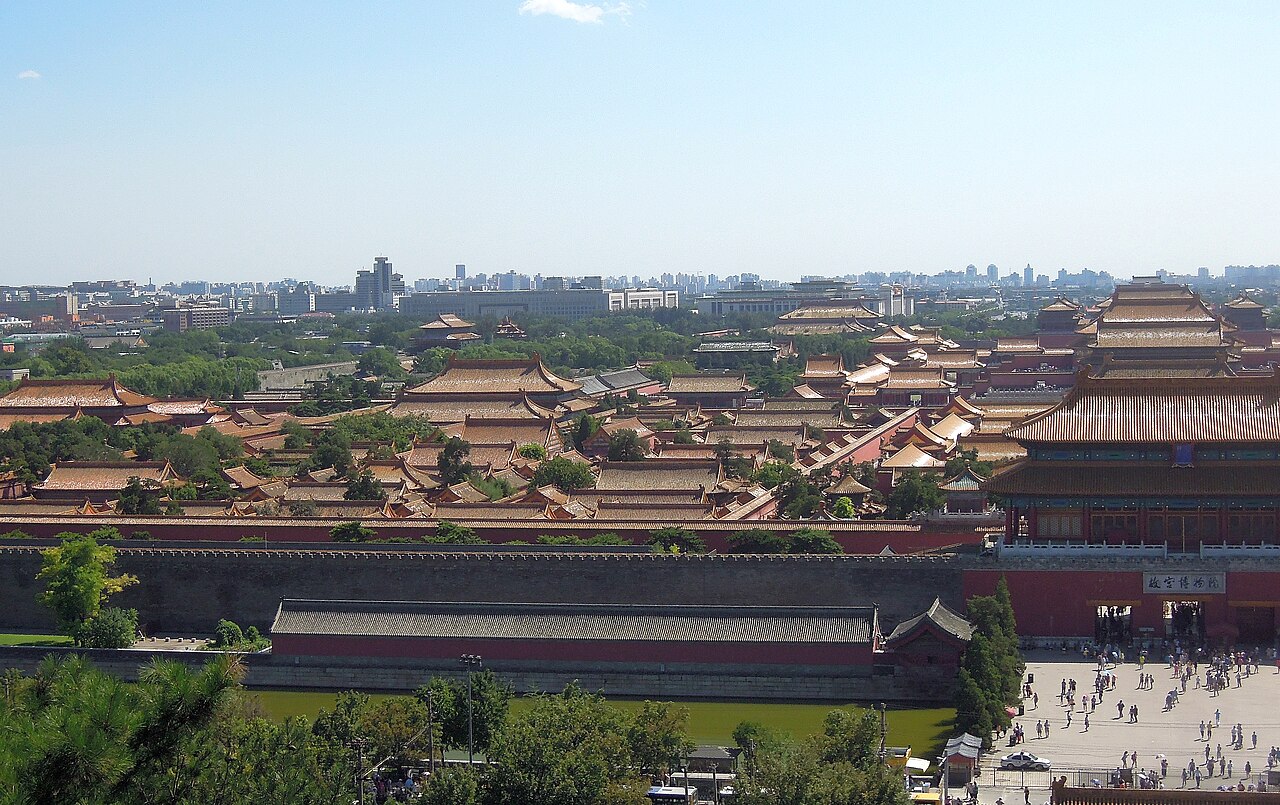
An aerial view over the golden-tiled roofs of the Forbidden City imperial palace complex in Beijing, with the modern city skyline beyond under a clear sky
Beijing · the Forbidden City
The surveillance state and sensitive topics
China is extremely safe from street crime but is a pervasive surveillance state. Politics, Taiwan, Tibet, Xinjiang, Tiananmen, the Communist Party, religion and human rights are all highly sensitive and monitored — do not discuss or post about them, in person or online, and avoid anything that could be read as political or religious activity. There is a real risk of arbitrary detention and exit bans in disputes. The danger of any misstep often falls hardest on local contacts; protect them above all.Source: UK Foreign, Commonwealth & Development Office
The Great Firewall, payments and apps
Two practical realities define a trip to China. First, the internet is censored: Google, WhatsApp, Instagram, YouTube, X and most Western apps and news are blocked, so you need a working VPN installed BEFORE arrival (and a backup). Second, daily life runs on Chinese super-apps — WeChat and Alipay for payments, transport, messaging and services — so set them up (and link a card) in advance; cash and foreign cards are increasingly awkward. Download offline maps and translation too.Source: Freedom House
Religion, discretion and local believers
Religion is state-controlled: only registered 'patriotic' bodies are sanctioned, unregistered house churches face growing pressure, and there is severe repression of Muslims in Xinjiang and of Tibetan Buddhists. Christianity has nonetheless grown to several percent of the population. Any engagement must be deeply discreet and relational: never proselytise or distribute materials, keep personal faith private, and be acutely careful never to expose local believers to risk — they bear the real consequences.Source: U.S. Department of State
Relationships, face and the long game
Chinese culture is relationship-driven and face-conscious: trust is built through personal connection ('guanxi'), harmony and respect for hierarchy and seniority. Directness about sensitive matters is avoided, and causing public embarrassment is costly. Hospitality — banquets, toasting, gift-giving — carries its own etiquette around rank and reciprocity. For visitors, patience, courtesy, humility and consistency over time matter far more than any single exchange.Source: Travel Readiness Engine

The surveillance-state and Great Firewall notes draw on UK FCDO travel advice for China and Freedom House. Contains public sector information licensed under the Open Government Licence v3.0.

Reviewed 27 Oct 2026. Cross-cultural guidance authored by the mission-readiness team, awaiting review by local partners. Broad contextual tendencies that vary by individual and setting — not rules about how any person will behave.

Your readiness plan

Once you've built a plan, this becomes your personal, checkable preparation for China — the same engine behind every Trefeo briefing, honest about what still needs verifying.

Personal readiness · free

Build your free plan to see what this trip asks of you.

Add your passport and the devices you'll carry — no sign-in needed — and this turns into a personal, checkable readiness plan for China: entry, accounts, devices, connectivity, culture and emergency, starting at 0% until you work through it.

Sources & licences

Every fact on this page is traceable. Each section above links its own source and review date; the full list is below.

  • Freedom House viewDigital-rights research

    China: Freedom on the Net 2025 · © Freedom House; noncommercial use with citation, commercial by permission

  • Joshua Project viewMission research

    China — people groups, languages and religions · Free to use with attribution; NON-COMMERCIAL

  • Travel Readiness EngineTrefeo editorial

    Editorial guidance (mission-readiness team)

  • U.S. Department of State viewOfficial government

    2023 Report on International Religious Freedom: China · Public domain (U.S. Government work, 17 U.S.C. §105)

  • UK Foreign, Commonwealth & Development Office viewGovernment travel advisory

    Foreign travel advice: China · Open Government Licence v3.0