Skip to content
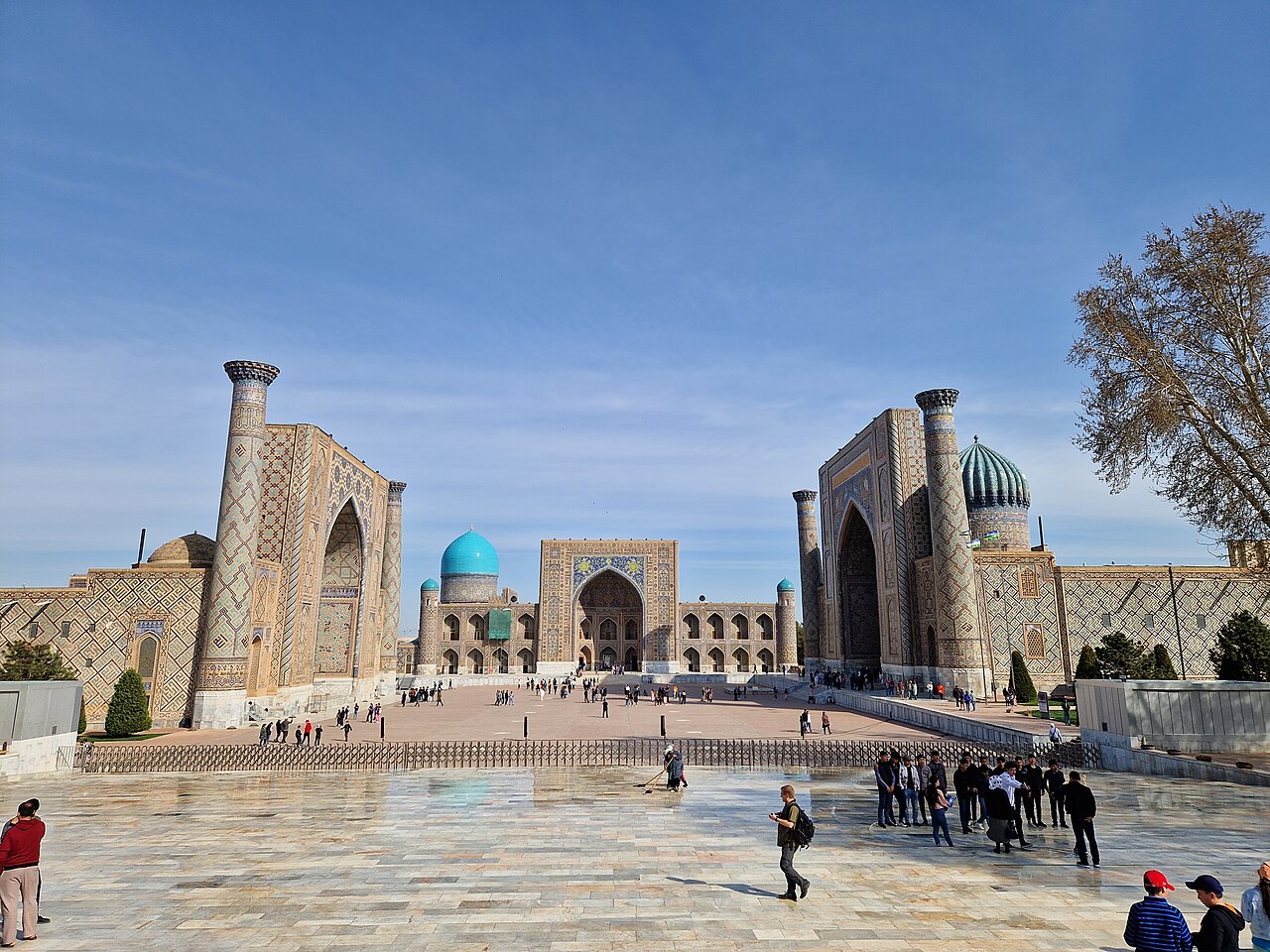
The Registan in Samarkand — its three tiled madrasahs with turquoise domes and leaning minarets around the open square, under a clear blue sky

Prepare for your trip to Uzbekistan.

The demographic heart of Central Asia and a Silk Road civilisation — Samarkand's Registan, the domes of Bukhara, the mosaics of Shah-i-Zinda — generally safe and opening fast to tourism, with famous hospitality. It is also an authoritarian, closely-policed state where online expression carries real legal risk. Your briefing covers what changes the trip: entry by passport, mandatory registration, staying connected, and local custom.

Free to explore. No sign-in needed.
Region
Central Asia · the Silk Road heart
Capital
Tashkent
Languages
Uzbek (state language) · Russian (widely used) · Tajik and Karakalpak (regional)
Entry
Depends on your passport

Travel advisory · UK Foreign, Commonwealth & Development Office

The UK FCDO does not advise against travel to Uzbekistan, but notes that regional disruption — including airspace closures and flight changes — can affect travel, and advises normal precautions and good travel insurance. This is a foreign-government advisory; check the latest advice before travel.

Reviewed 10 Sept 2026 · FCDO advice was last updated 19 Mar 2026. There is no advise-against-travel warning, but conditions can change — verify before travel.

Read the current advice

Do I need a visa for Uzbekistan?

Many nationalities can visit visa-free for short stays (the UK FCDO cites up to 30 days for British visitors) and others use the official e-visa, applied for in advance; eligibility varies by nationality. Crucially, you must register with the local authorities within three days of arrival — hotels do this for you, otherwise self-register online. Choose the passport you'll travel with and this section adjusts to you.

Which passport will you use?

Choose your passport country, not your country of residence.

No name, passport number or document upload.

Passport not selected

Your entry context starts here

Choose a passport and this shows your real, sourced entry status for Uzbekistan — verified, provisional or verification-required — straight from the engine.

What should I verify before I travel?
Confirm your visa route, eligibility and permitted stay with the Uzbek authorities (the State Committee for Tourism / the official e-visa portal, e-visa.gov.uz) or an Uzbek diplomatic mission, and check your own foreign ministry. Register within three days of arrival (hotels handle this; otherwise use the Emehmon system) and keep the registration slips — you may be asked for them on departure. Do not overstay, even briefly. The final decision on admission rests with the authorities.
Why does Trefeo show "verification required"?
Trefeo keeps sourced destination context separate from passport-specific rules that still need confirmation. Selecting a passport should never turn an unverified rule into a verified requirement, so Trefeo holds it at "verification required" until it's confirmed against an authoritative source.

A Silk Road heart.
A watchful state.
Your context.

Uzbekistan welcomes visitors warmly and much of the country is easy to travel, but it tightly regulates religion and prosecutes online criticism at scale, and you must register your stay within days of arriving. What matters depends on who you are and where you're going, so this is built to skim — and to read alongside current advice and the counsel of trusted local partners.

Staying connected in Uzbekistan

Three operators cover the country — Beeline, Ucell and Uzmobile — with a travel eSIM the simplest way to arrive connected, and improving mobile data in the cities. The internet is rated Not Free, though: the state blocks sites and platforms and prosecutes online expression at scale, so assume networks are monitored, keep online commentary out of politics and religion, and use an organisation-approved VPN configured before arrival.

Mobile networksBeeline · Ucell · Uzmobile
Getting onlineTravel eSIM; internet is filtered & monitored — use an approved VPN
Digital conditions · sourced
Internet freedomhigh

Rated 'Not Free' (29/100). The government blocks sites and platforms and prosecutes online expression at scale.

Online speechhigh

Tens of thousands have been prosecuted under defamation and insult charges, with people imprisoned and deaths in custody reported. Assume online criticism carries serious legal risk.

Website blockingmoderate

Authorities block content deemed extremist or against public order; the banned-content list has grown sharply. Major platforms have at times been throttled or blocked.

Personal VPNslow

VPNs are used to reach blocked content but rules can change and traffic may be monitored — prefer an organization-approved provider configured before arrival, and verify current rules.

Public Wi-Fimoderate

Treat cafe, hotel and other shared networks as untrusted; avoid sensitive sign-ins without a VPN.

Photography of sensitive sitesmoderate

Avoid photographing military, security and government sites, and be careful around protests.

Digital conditions from Freedom House · reviewed 10 Sept 2026. Per-item sources shown by severity (Freedom House, UK FCDO, editorial).
Mission context

Uzbek society is overwhelmingly Muslim, community- and family-mediated, with a small Christian minority mostly among ethnic Russians and other Slavs. Religion is tightly controlled and proselytising is restricted; engagement is relational, private, and mindful of the law.

People groups44 total · 26 unreached · 17 frontier
Evangelical~0.2% (Joshua Project estimate)
Primary languageUzbek (Northern) · Russian
Progress levelLevel 1 — unreached
Explore mission-focused context
Joshua Project lists 44 people groups in Uzbekistan, of which 26 are considered unreached and 17 are 'frontier'. It estimates the population at about 2.3% Christian adherent and 0.2% evangelical, and rates overall progress at Level 1 ('unreached'). The population is overwhelmingly ethnic Uzbek, with Tajik, Kazakh, Russian and Karakalpak minorities.
Joshua Project

People-group figures are Joshua Project estimates, used with attribution. Complements — does not replace — dedicated research platforms. · reviewed 10 Sept 2026.

Local customs and etiquette in Uzbekistan

Uzbekistan is warm, courteous and hospitable, with deep Silk Road traditions and a Muslim-majority but secular society where the state tightly regulates religion. Politics and public criticism are sensitive, in person and online. Read these notes, and take anything sensitive from trusted local partners.

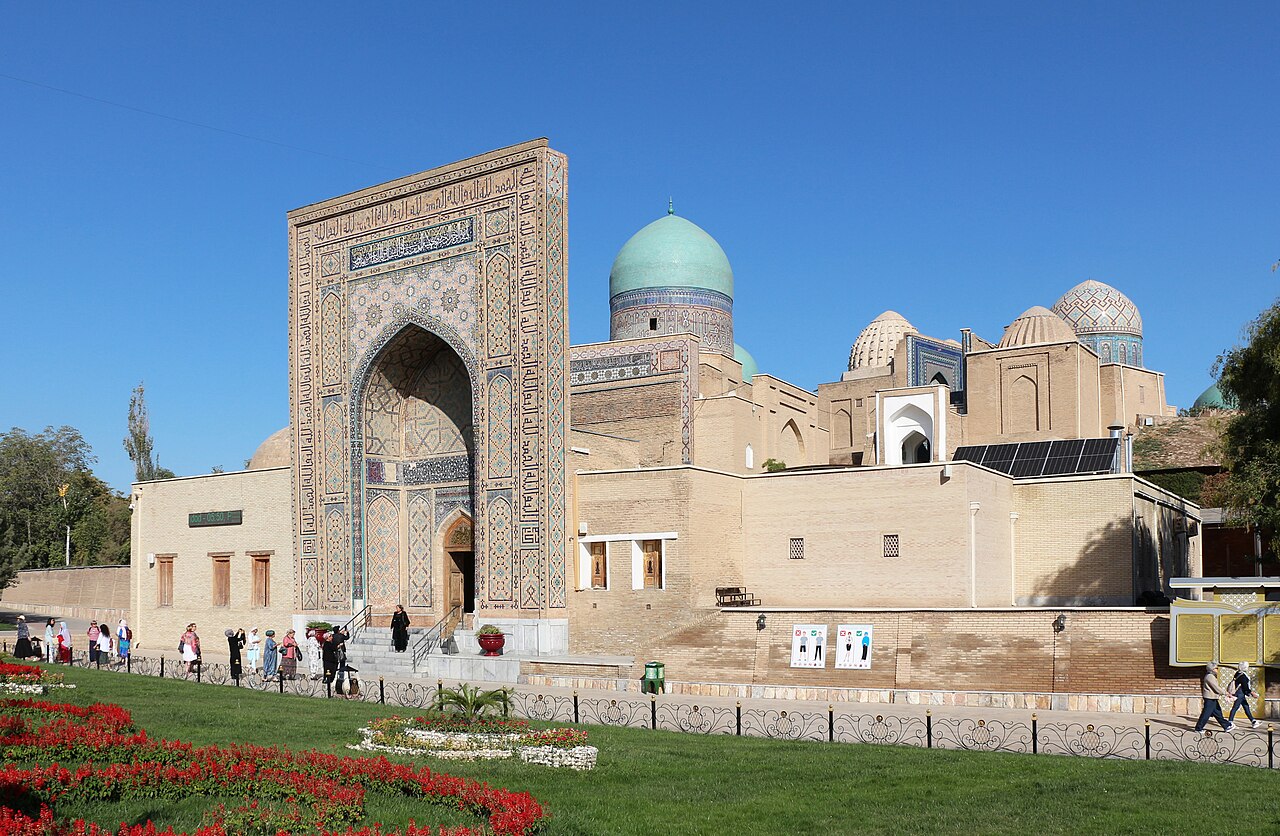
The tiled entrance portal of the Shah-i-Zinda necropolis in Samarkand, its turquoise domes rising behind a garden of red flowers
Samarkand · Shah-i-Zinda, the avenue of mausoleums
Local context
Uzbekistan is a secular, Muslim-majority state that keeps tight control over religion and public life. Unregistered religious activity and proselytising are restricted, and criticism of the authorities — in person and especially online — carries real legal risk. The country is opening to tourism and is generally safe for visitors, but the political and online environment is not free: keep commentary off politics and religion, and take anything sensitive from trusted local partners.Source: UK Foreign, Commonwealth & Development Office
Hospitality and communication
Silk Road hospitality is central: guests are welcomed generously, often with tea, bread and a shared meal, and it is polite to accept and reciprocate modestly. Communication is warm and courteous, with respect for elders and for reputation; directness about politics is unwelcome. A few words of Uzbek or Russian are warmly received, and following your host's lead on custom goes a long way.Source: Travel Readiness Engine
Dress and religious sites
Dress is fairly relaxed in the cities, but modest clothing is expected at mosques, shrines and mausoleums — cover shoulders and knees, and women may be asked to cover their hair at some religious sites. Behave quietly and respectfully at the many working shrines and memorials, and follow posted rules on photography inside them.Source: Travel Readiness Engine
Photography and sensitive sites
The historic monuments of Samarkand, Bukhara and Khiva are a photographer's delight, but avoid photographing military, security, government and border sites, and the metro and some official buildings can be sensitive. Always ask before photographing people, and don't photograph or linger around protests or police actions.Source: UK Foreign, Commonwealth & Development Office
Registration and the law
You must register your stay with the local authorities within three working days of arriving; hotels do this and give you a slip, otherwise self-register online. Keep the slips with your passport — they can be checked on departure. Don't overstay your permitted duration even briefly, never misrepresent your purpose of travel, and change money only through official channels.Source: UK Foreign, Commonwealth & Development Office

Local context, photography, dress and the registration and legal notes draw on UK FCDO travel advice for Uzbekistan. Contains public sector information licensed under the Open Government Licence v3.0.

Reviewed 10 Sept 2026. Cross-cultural guidance authored by the mission-readiness team, awaiting review by local partners. Broad contextual tendencies that vary by individual and setting — not rules about how any person will behave.

Your readiness plan

Once you've built a plan, this becomes your personal, checkable preparation for Uzbekistan — the same engine behind every Trefeo briefing, honest about what still needs verifying.

Personal readiness · free

Build your free plan to see what this trip asks of you.

Add your passport and the devices you'll carry — no sign-in needed — and this turns into a personal, checkable readiness plan for Uzbekistan: entry, accounts, devices, connectivity, culture and emergency, starting at 0% until you work through it.

Sources & licences

Every fact on this page is traceable. Each section above links its own source and review date; the full list is below.

  • Freedom House viewDigital-rights research

    Uzbekistan: Freedom on the Net 2025 · © Freedom House; noncommercial use with citation, commercial by permission

  • Joshua Project viewMission research

    Uzbekistan — people groups, languages and religions · Free to use with attribution; NON-COMMERCIAL

  • Travel Readiness EngineTrefeo editorial

    Editorial guidance (mission-readiness team)

  • U.S. Department of State viewOfficial government

    2023 Report on International Religious Freedom: Uzbekistan · Public domain (U.S. Government work, 17 U.S.C. §105)

  • UK Foreign, Commonwealth & Development Office viewGovernment travel advisory

    Foreign travel advice: Uzbekistan · Open Government Licence v3.0