Staying connected in Georgia
Georgia has a cheap, fast and (for now) open internet — rated Free, but near the lower end of that band and declining amid the political crisis, so be thoughtful about posting on politics. Cities and towns have good 4G/5G (Magti, Silknet, Cellfie) and a local SIM or eSIM is easy and inexpensive with a passport. Signal thins in the high Caucasus, and you should never rely on connectivity near the occupied-region boundary lines.
Digital conditions · sourced
Georgia is rated Free on Freedom House's Freedom on the Net, but near the lower end of that band and declining: both its internet-freedom and overall democracy scores have fallen during the 2024-2025 political crisis (Freedom in the World 2025 now rates Georgia Partly Free, 55/100).
The internet is largely open with no routine blocking of major platforms, but new laws (a 'foreign agents'/'transparency' law) and pressure on media and civil society have raised self-censorship; be thoughtful about posting on the political situation.
Good, affordable 4G/5G in cities and towns (Magti, Silknet, Cellfie) and widespread Wi-Fi; a local SIM or eSIM is cheap and easy with a passport. Coverage thins in the high mountains.
VPNs are legal and freely usable; use one on public Wi-Fi as normal good practice.
Wi-Fi is common in hotels, cafes and transport; use a VPN for sensitive sign-ins as anywhere.
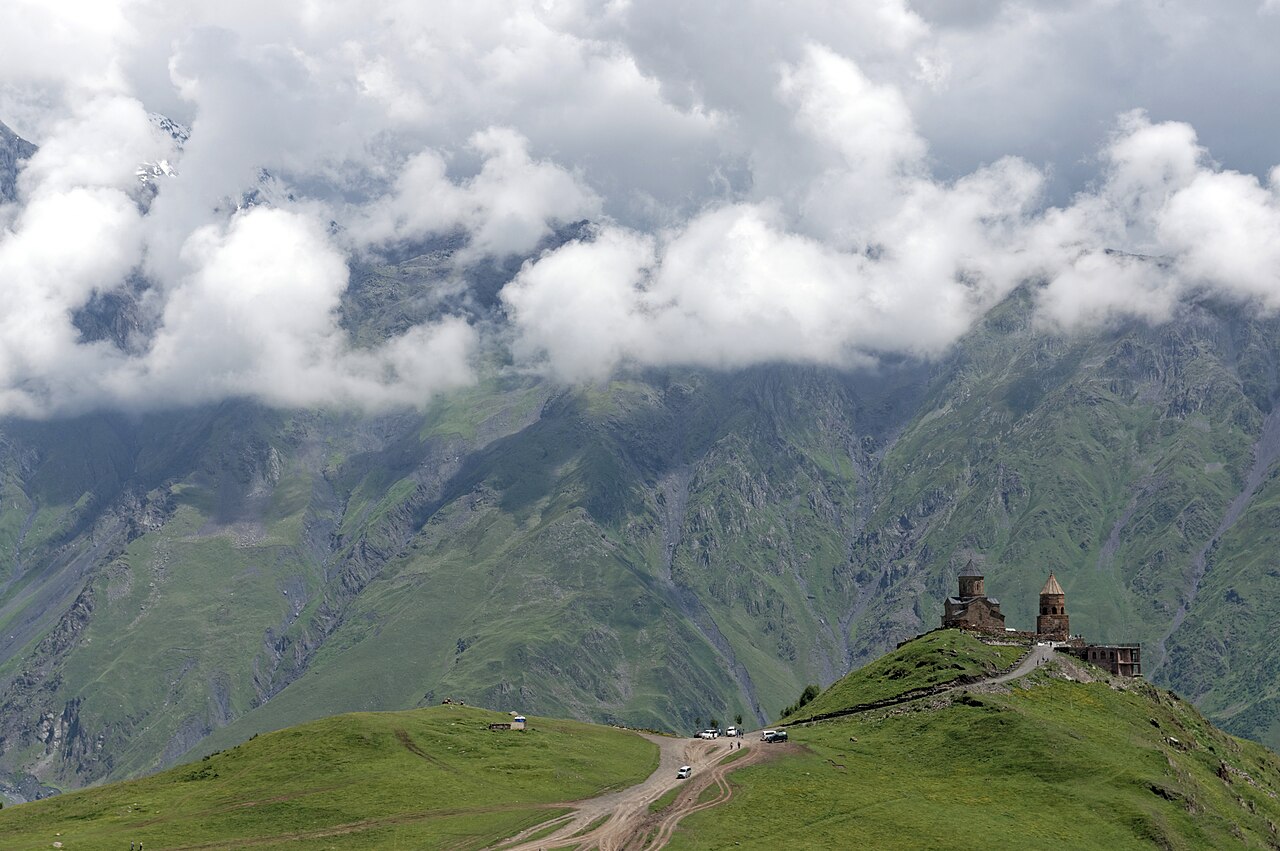
Signal drops in the high Caucasus (Svaneti, Tusheti, Kazbegi back-country); carry offline maps and a power bank, and never rely on connectivity near the occupied-region boundary lines.
Digital conditions from Freedom House · reviewed 27 Oct 2026. Per-item sources shown by severity (Freedom House, UK FCDO, editorial).